Ethel Cain sings "Wynter Waxeth" in Middle English for Robin Carolan's Werwulf soundtrack, out December 18, a week before the film opens.
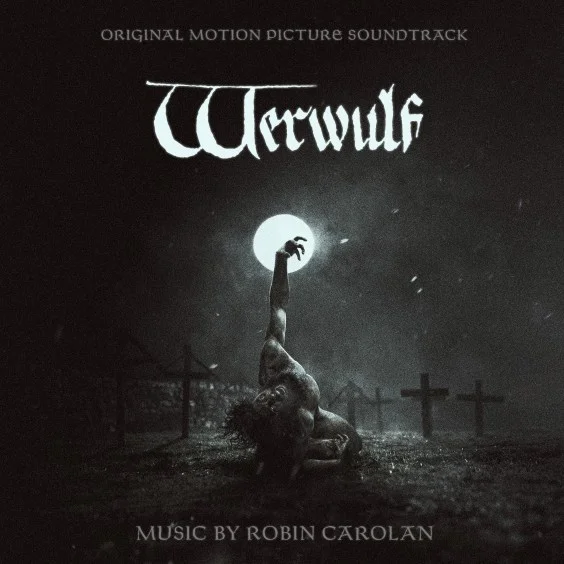
Robert Eggers's next film, Werwulf, is a period gothic horror set in 14th-century England, and its soundtrack has a vocal piece that takes the setting seriously. Ethel Cain sings "Wynter Waxeth" in Middle English, and that choice shapes the track as much as the film's historical framing does. Here's the thing: plenty of period pieces treat their era as wallpaper, so a song that commits to the actual language stands out right away. It's a bolder move than it first appears.
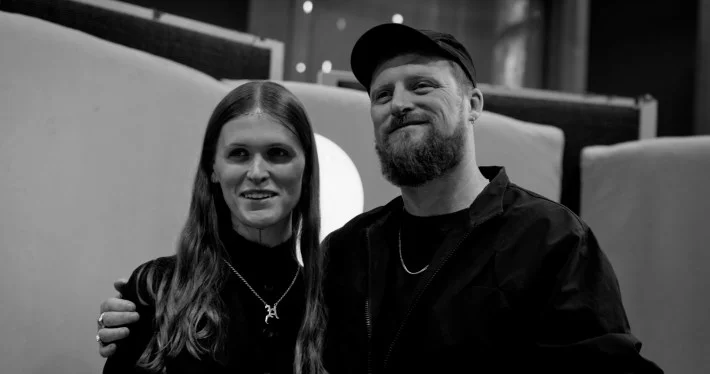
The collaboration comes through Robin Carolan, the Tri Angle founder who has scored Eggers's last two films. His soundtrack album arrives December 18 through Back Lot Music and Sacred Bones, and Werwulf reaches theaters a week later, on December 25. That gap matters. The record lands before the picture, so listeners meet this music without the images attached. If you're following the film mostly for its visuals, you'll get to hear the score on its own terms first.
Built around a plucked line
Cain's account of how the song started is the more revealing part. She calls scoring a horror film a long-held dream and says the work with Eggers and Carolan clicked immediately. Carolan sent her medieval music early on, and that led her to the psaltery, a traditional plucked instrument she'd never worked with. She bought one online, found a simple harp-like line on it, and the song grew from there.
Notice what that sequence implies. The song didn't begin as a lyric or a melody sketched on a piano. It began with a physical instrument and a handful of notes. Instruments like that often have a narrow, repeating sound, and a singer has to find room inside it, which tends to produce phrasing that feels rooted rather than decorative.
Carolan's original plan was more textural, with Cain adding vocals to the score in a loose way. It didn't stay that way for long. He describes sending her medieval music, prayers and "weird ambient stuff" as reference material, and he says her openness to new approaches stood out. That detail says more about the working relationship than a standard press line would. Textural scores leave room for a voice to drift in and out, and it's easy to see how a loose plan could harden into something more defined once the singer started committing to ideas.
Middle English is hard to sing cold. Carolan says Cain worked through the pronunciation with Eggers's help and had it nearly mastered in a single session. I'd take that last part with a grain of salt, since archaic texts usually demand more repetition than that. Still, the underlying point holds. The language gives a singer very little to lean on, because familiar vowels and word shapes are gone, and every phrase has to be built from the sound up.
Where the song sits on the record
The soundtrack runs 37 tracks, and the title shows up twice. "Wynter Waxeth I" sits at track 24, and "Wynter Waxeth" closes the album at 37. Many other titles keep the archaic spelling, including "Huntere Moone" and "Delivere Me Fro My Synnes," which tells you how far the project commits to its period language. Bookending a motif like this is a common way to make a theme feel like it's returning, and it usually signals that the song is more than a single cue.
My read: the period language does more than set a mood. Asking a modern singer to work in a dead dialect forces a different kind of performance, one that sounds more like recovery than imitation. Carolan calls her contribution "earthy, feral, haunted beauty," and that's a fair description of what the song is going for. Whether listeners hear that strangeness as a feature or a barrier will become clearer once the music sits under the film's images on December 25.
What this signals for the film and the genre
Here's what I'd watch for. A soundtrack that leans this hard on period language is betting that the audience will meet it halfway. Some viewers will find the archaic text a doorway into the era, and others will find it a wall. The film's pictures will decide which reading wins, and that's why the December 25 release matters more than the album date.
That said, it would be a mistake to read too much into one song. Cain's track is one piece of a 37-track record, and the source doesn't tell us how often the vocal appears or how much of the score it occupies. The safe conclusion is narrower. This is a deliberate choice by a team that clearly thought about how language and era interact. Bold, and a little risky. Whether it pays off is a question the film will have to answer, not the soundtrack alone.
And yet the approach says something about where genre scores might head. Horror has long relied on atmosphere, and vocal work in an ancient tongue is one way to push past mood into texture and unfamiliarity. Projects like this typically face the same tension between authenticity and accessibility, and this one won't be an exception. If it works, expect more composers to ask whether a dead language can do what a new sound can't.

Discussion
Sign in to join the discussion.