City Winery plans to open in Toronto in early 2028, bringing its seated, dinner-and-music format to a market Dorf says lacks smaller listening rooms.
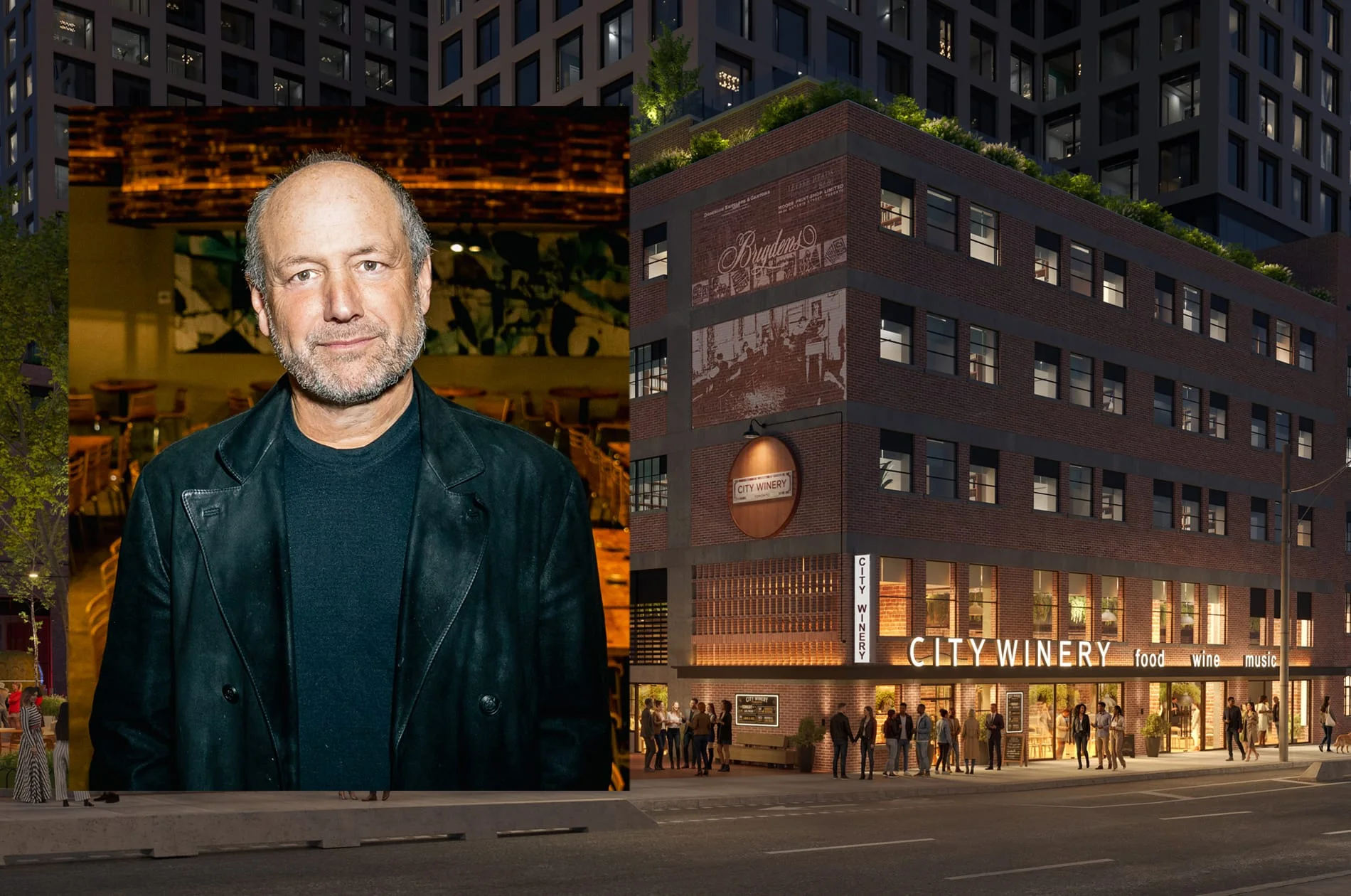
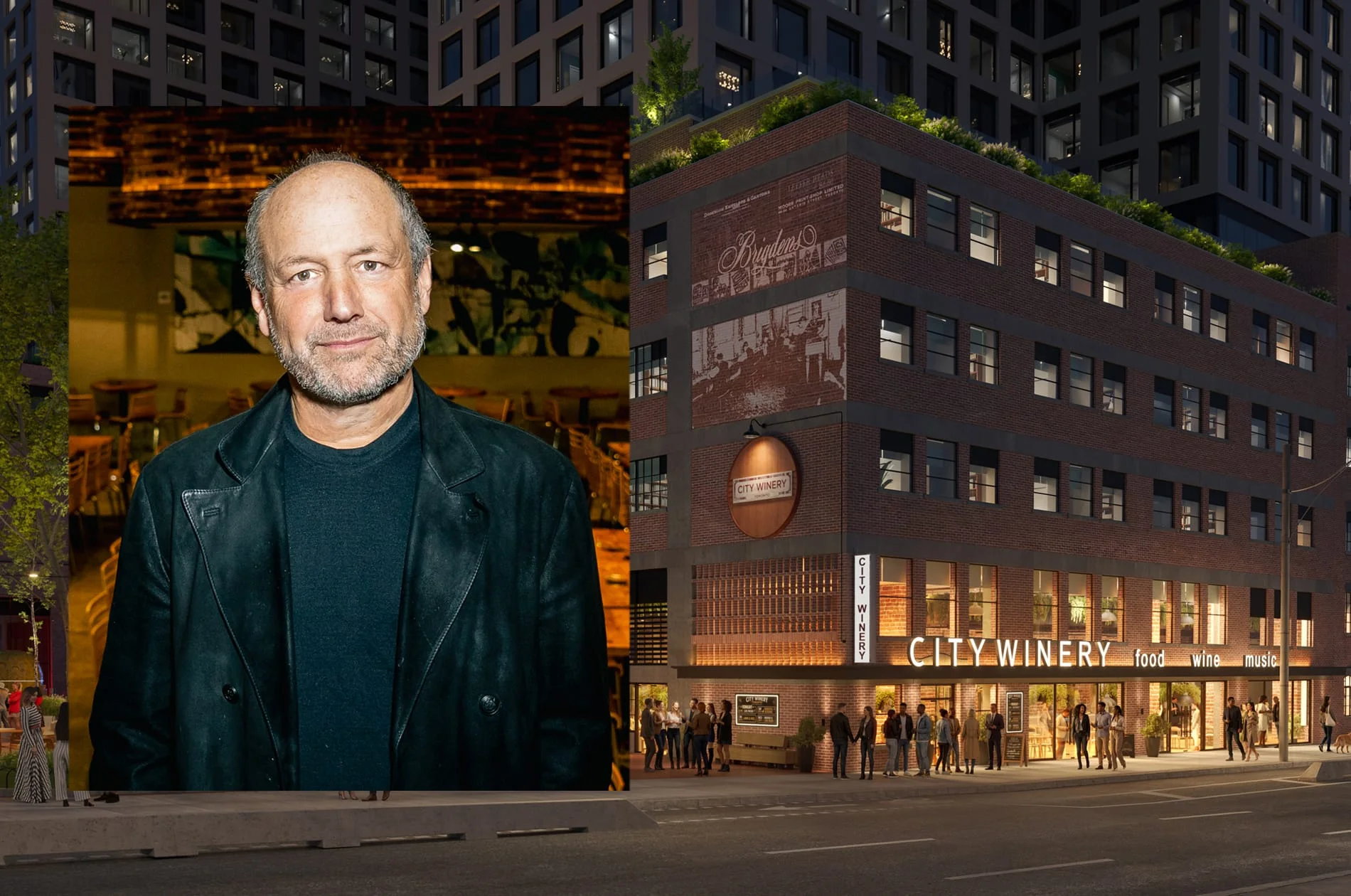
City Winery’s planned Toronto opening in early 2028 will test a particular bet about live music: that a roughly 300-seat room can pair close-up performances with food and drink without letting the restaurant experience overwhelm the show. For founder and CEO Michael Dorf, the challenge is to expand that feeling across markets while keeping the operating systems behind it out of sight.
Dorf has spent 40 years building venues, beginning with New York’s Knitting Factory, which he founded at age 23. City Winery is his attempt to make intimacy repeatable: a seated room, attentive service, strong sound and a clear expectation that the audience is there to listen. Toronto will be the company’s first international location.
Toronto has room for a different kind of venue
Dorf sees Toronto as a strong cultural and commercial market, with a lively restaurant scene and institutions such as the Toronto International Film Festival. Yet he believes the city has relatively few smaller venues built around seated listening, food and beverage service. High property values make it difficult for independent operators to take a chance on rooms under 500 seats, he argues, as residential and office uses compete for valuable space.
The city already has music venues across a range of sizes and formats. Dorf pointed to Massey Hall, including its 400-capacity TD Music Hall, as well as the Opera House, History and longstanding clubs such as the El Mocambo, The Garrison, Hugh’s Room and Lee’s Palace. Those rooms serve different audiences and performance styles. City Winery’s pitch is a distinct combination: a close, seated show with a full hospitality offer.
That combination depends on more than putting tables in front of a stage. Dorf describes intimacy as a sightline in both directions: performers can see the audience’s faces, and people in the room can see the performer’s eyes. The company uses Meyer sound systems to deliver concert-level audio in a smaller space. Its candlelit tables carry a direct request for guests to avoid talking during performances, while staff try to serve with as little disruption as possible.
For Toronto, the formula is staying put. Dorf says the company’s core approach is non-negotiable, though the programming will reflect local artists and audiences. He expects the schedule to remain eclectic and singled out Leonard Cohen and Joni Mitchell as touchstones. The venue will also face higher Canadian taxes, which Dorf described as part of a more supportive system for culture.
Making a small-room experience repeatable
“Scaling intimacy” sounds like a contradiction, Dorf acknowledged. His first venue had a similarly playful name: Knitting Factory, despite knitting being handmade. The business problem is serious, though. A venue has to grow and operate consistently while preserving the qualities that make a performance feel personal.
Dorf’s answer is to standardize what customers don’t see. Operating manuals, technology and service systems should work reliably in the background, leaving the visible experience focused on what guests see, hear, taste, smell and feel. He frames the venue’s job as engaging the senses, with the performance at its center.
That model differs from the large-scale approach associated with promoters such as Live Nation and AEG, whose events can span arenas and festivals with capacities reaching 100,000. City Winery’s scale gives it a different role in an artist’s touring plans. Dorf says the company may host performers who also work with major promoters but want a stripped-down show, an early-career performance or a run in a more intimate setting.
Some artists have used multiple nights to reach a larger total audience without moving into a larger room. Dorf cited five-night runs with Sinéad O’Connor and Lyle Lovett across City Winery locations. The attraction, as he describes it, is the chance for performers and fans to share a closer exchange. He prefers the seated format, but doesn’t claim it replaces the energy of a large concert. It offers a different experience, including the option to sit close to a favorite performer and order a bottle of wine.
Dinner service is part of the performance equation
Serving food in a listening room creates an unavoidable tension: a quiet song can make every dropped fork audible. Dorf says staff work to minimize noise, though the room has still heard more silverware hit the floor during quiet moments than he’d like. Some artists ask the venue to stop service during a set; City Winery tries to tell guests in advance when that will happen so they can eat before or after the show.
He recalled a four-night engagement with Natalie Cole, who requested no service during the performance and drinks only in the back half of the room. On one night, staff mistakenly served drinks throughout the venue; on another, they accidentally brought out food as well. Dorf said Cole told him after each show that she had enjoyed the room and hadn’t noticed the disruption. The story is an exception, not a service plan, but it illustrates how the venue tries to handle the trade-off: hospitality matters, and it has to fit around the artist’s performance.
The business is also adapting as customers change what they order. Dorf said City Winery’s overall sales rose 15% in a year when the broader industry was down. The mix has shifted toward more food, bottled water, mocktails and some higher-priced tequila, while wine still makes up about half of sales. That gives the company room to respond to changing drinking habits without abandoning wine as a defining part of its offer.
Relationships, repeat audiences and lessons from Knitting Factory
Dorf credits strong teams and a shared vision as lessons he wants to carry into City Winery. Looking back at Knitting Factory, he joked that he could write a book about the mistakes he hoped not to repeat; he has, in fact, written Indulge Your Senses: Scaling Intimacy in a Digital World. His practical takeaway is straightforward: hire people who understand the goal and can work together toward it.
His approach to marketing is similarly direct. City Winery uses Bandsintown, but Dorf’s larger point is that venues need a strong customer base and a direct way to tell people what’s on. That logic, he said, was as relevant in 1986 as it is now: communicate quickly and clearly with the people most likely to attend.
He also sees room for artists with histories at Knitting Factory to connect with audiences again. Asked who could still command a stage in 2026, Dorf named Prince, Beck and the Indigo Girls, all artists who played the venue in its first year and who he hopes might return. He also mentioned the Cowboy Junkies, who played in 1986 and had recently completed a four-night sold-out run in New York; they want to perform during City Winery Toronto’s opening month.
Those plans give Toronto a preview of the programming ambition behind the expansion: familiar names, local performers and shows that benefit from a room where the audience is close enough to see the stage clearly. Whether the format works there will depend on securing the right space and building a customer base that values both the music and the hospitality around it. For Dorf, the measure of growth is not simply how many venues the company opens; it’s whether each one can make a large roster of shows feel personal.
Discussion
Sign in to join the discussion.