A$AP Rocky’s latest release, "Stole Ya Flow," hints at ongoing tensions with Drake, reflecting their complicated relationship.
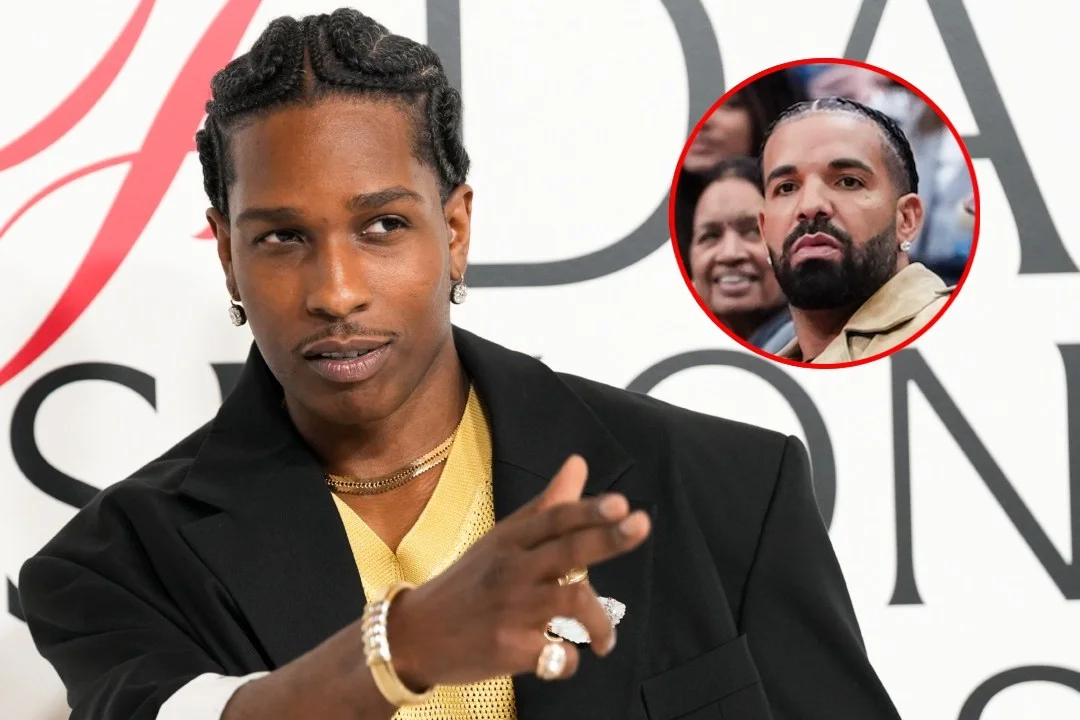
A$AP Rocky's New Album and Controversial Track
A$AP Rocky has made waves with his latest album, Don't Be Dumb, marking his first release in eight years. Released on January 16, 2026, the album features a total of 17 tracks, reflecting not only a musical evolution but also a personal journey through the pitfalls of fame and the industry's competitive nature. Among these tracks, "Stole Ya Flow" stands out as a pointed critique directed at Drake, one of hip-hop's biggest names. This is significant, given their complex relationship and the history of competitive tension that has led to public disputes.
Lyrics That Spark Controversy
The lyrics in "Stole Ya Flow" are particularly incendiary, with Rocky rapping in the chorus, “First you steal my flow, so I stole your bi**h/I can’t trust a soul, just my pole and my kid." This framing of the rivalry evokes an image of betrayal, prominently showcasing Rocky's frustrations regarding perceived theft of artistic expression. Here’s the thing: rivalries in hip-hop often stir both listener engagement and public interest, and Rocky has certainly capitalized on that dynamic. He elaborates further in the track with lines like, "Ni**as getting BBLs, lucky we don’t body shame," and, “You just a sensitive ni**a still in his feelings.” The language is confrontational, making it clear that this isn't just a casual jab—it's a challenge steeped in history.
The History of Tension Between Rocky and Drake
The relationship between Rocky and Drake has been fraught since their early collaborations turned sour. Their feud intensified in late 2023, a period that saw not just a shift in musical styles, but also a clash of egos. The catalyst for this escalation was Drake's insinuations regarding Rihanna in his track "Fear of Heights," part of the album For All the Dogs. Their feuding is illustrated through a series of disses exchanged on various tracks; Rocky's not-so-subtle features on "Wow" and "Show of Hands" motivated Drake to respond with barbed retorts in "Family Matters" and "It's Up." This cycle of retaliation highlights how music often becomes a battleground for personal grievances.
Rocky Reflects on Their Rift
In an interview on the podcast Popcast, Rocky discussed the ongoing conflict, suggesting that the roots of their issues stem from a friendship that turned sour. He articulated, “People started out as friends and just became foes,” reflecting on how misunderstandings can fuel animosity, especially in the high-pressure environment of the music industry. Interestingly, while “Stole Ya Flow” seems aimed directly at Drake, Rocky suggests it is a broader commentary on any artist who might feel similarly attacked, which widens the implication of his words and makes them resonate with a larger audience. If you're working in this space, this perspective shifts the narrative from a personal feud to a commentary on artistic integrity and rivalry more broadly.
Check out A$AP Rocky's "Stole Ya Flow" and feel the intensity of this ongoing musical rivalry. It's a story not just of music, but of personal stakes, pride, and a reflection of how quickly the balance between friendship and enmity can tip in this world.
Implications of the Ongoing Rivalry
The musical diss track isn’t just entertainment; it symbolizes deeper implications within the hip-hop community and its culture. Such rivalries often influence public perception and artist branding. Tracks like "Stole Ya Flow" serve to reinforce Rocky's image as a formidable figure in the industry. You can almost feel the pressure in the air as artists scramble to stand out in a saturated market where authenticity is prized, yet competitive animosity can drive engagement.
Moreover, there’s a larger conversation surrounding the themes of interpersonal relationships in art. Rocky’s acknowledgment of their friendship’s tumultuous end raises questions about the pressure artists face within their peer group and the personal sacrifices that may come with fame. The public appetite for such rivalries can lead to an almost theatrical performance within music—where every line is dissected, and every response lays bare the artist's insecurities and strengths.
This all points to a noteworthy aspect of hip-hop culture: the narrative isn't just about the music, but about the interactions, motivations, and social dynamics that live at the heart of it. This is more significant than it looks. The ongoing feud between Rocky and Drake is a microcosm of a larger narrative that all artists in this space navigate, creating art that is as much about their external world as their internal struggles.

Discussion
Sign in to join the discussion.