A 2027 4K release brings The Devils’ director’s cut to UHD, with a collector’s edition adding two cuts and more than 14 hours of extras.


A major home-video release for Ken Russell’s film
Ken Russell’s The Devils is set for a substantial home-video release on April 20, 2027. The uncensored director’s cut will receive its first 4K UHD presentation, while a three-disc Collector’s Edition will also bring all three versions of the film to Blu-ray for the first time. The announcement follows the film’s recent return to theaters, where it passed $4 million at the domestic box office. That theatrical result gives the release a visible audience context, though it doesn’t tell us how many viewers will want a deep archive alongside the film itself.
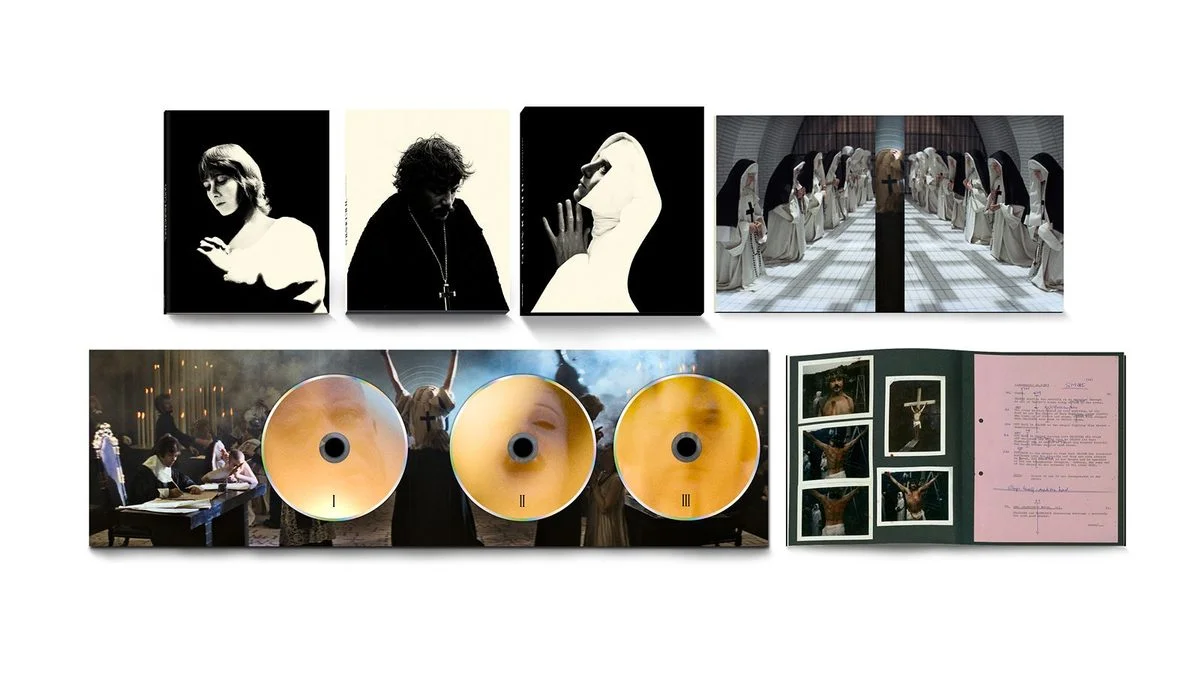
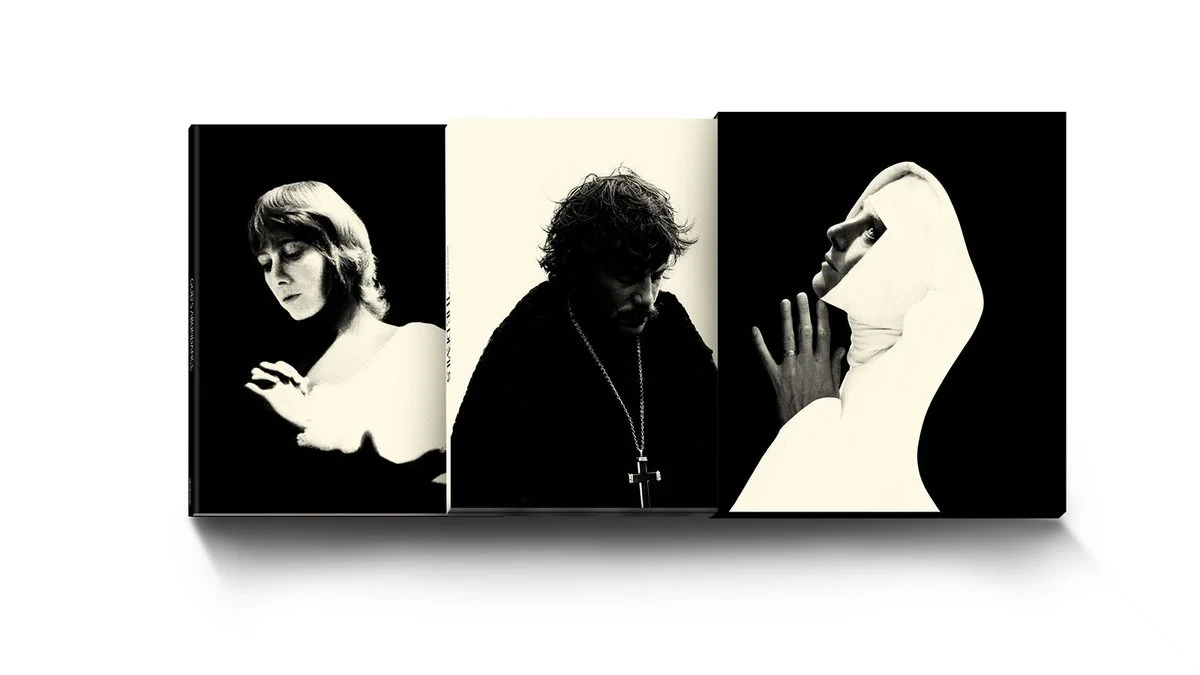
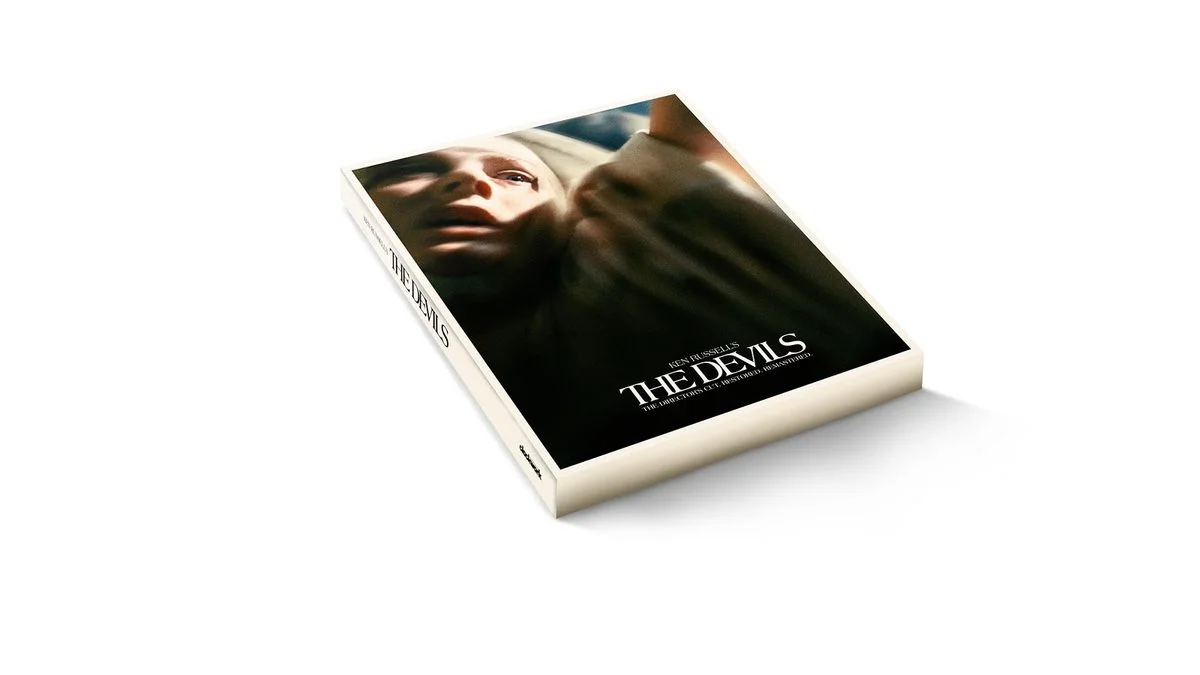
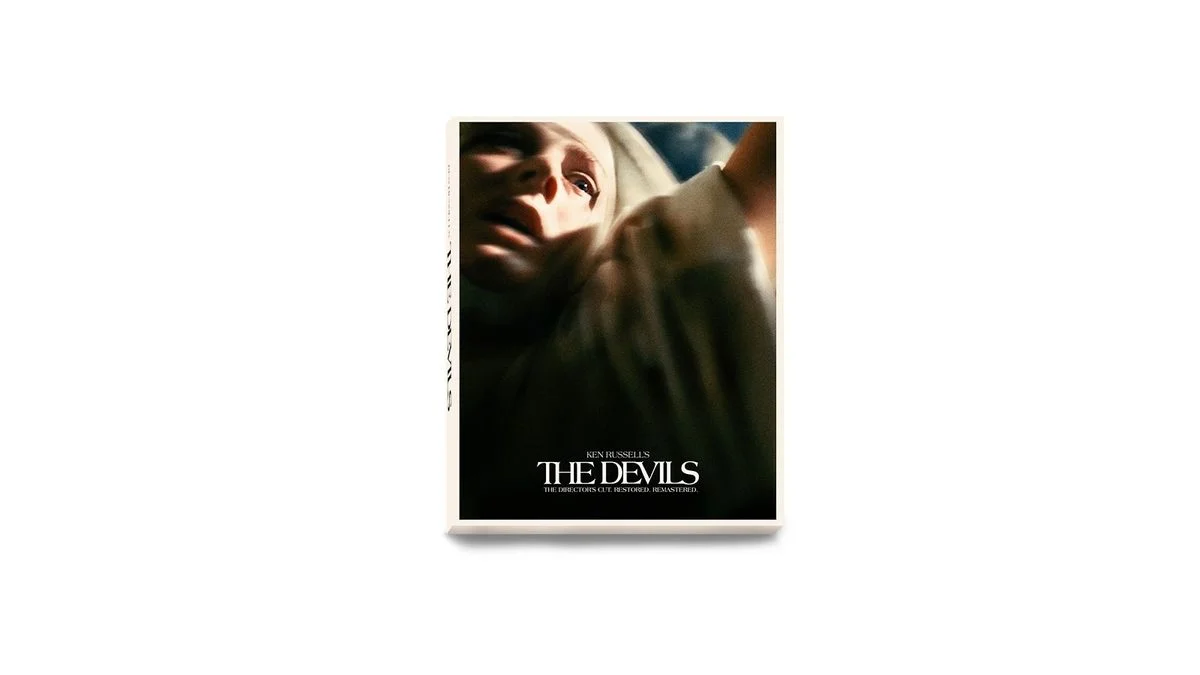
The editions differ sharply in scope. The Collector’s set offers more than 14 hours of material across three discs, packaged in a rigid slipcase with an eight-panel holder and a 96-page book. The standard 4K edition includes the director’s cut and more than four hours of extras in a slipcase with a one-disc digipak. Both editions are available to pre-order. The choice is straightforward in principle: one package is built for viewers who want the film and a substantial supporting archive, while the other preserves a smaller set of features around the new 4K presentation.
Three cuts and a newly restored soundtrack
The Collector’s 4K disc carries the director’s cut, encoded by Fidelity in Motion, with a newly restored monaural soundtrack. Its Blu-ray film disc includes that 114-minute version alongside the 111-minute UK X-rated cut and the 108-minute US R-rated cut. The standard edition includes the same 4K presentation of the director’s cut. Presenting the three cuts together gives viewers a way to compare how the film’s length and classification changed across releases, rather than treating those versions as incidental footnotes.
That spread makes the Collector’s Edition more than a larger extras package: it documents how the film reached audiences in different forms. The runtimes point to distinct edits, but they don’t, on their own, explain every difference between the versions. For that, the archival material and commentary may help supply context. Both editions include the unedited 2004 audio commentary featuring Russell, editor Michael Bradsell, critic Mark Kermode and Paul Joyce. The commentary’s presence in both packages also means standard-edition buyers retain a substantial piece of the release’s interpretive material.
Archival material anchors the extras
The Collector’s third disc assembles new interviews, archival recordings and production material. New additions include an extended scene, a longer version of the 2002 documentary Hell on Earth: The Desecration and Resurrection of The Devils with more interview footage of Russell, and a 4K remaster of his 1958 short Amelia and the Angel. The mix gives the disc a wider purpose than simply adding promotional interviews: it connects the feature to Russell’s earlier work and to the effort of restoring and presenting The Devils.
Guillermo del Toro discusses the film and Russell’s legacy, while Kleber Mendonça Filho introduces the first Brazilian screening of The Devils. Kermode appears in an extended interview about the film and the reconstruction of its director’s cut. A new featurette covers the picture and sound restoration. Those contributions approach the release from different angles, from critical reception to the practical choices involved in rebuilding a version of the film.
The set also includes previously unseen archival interviews with Vanessa Redgrave and Oliver Reed, unheard interviews conducted by critic Richard Crouse with cast and crew, and Shirley Russell costume sketches accompanied by commentary from Victoria Russell. An excerpt from Rupert Russell’s documentary Mad Dad adds previously unseen family photographs. Taken together, the material puts performers, production design and family history in the same package, giving viewers several ways to understand the people and decisions behind the finished film.
Further archival features include a 2004 Q&A with Russell and Kermode after the film’s first screening at BFI Southbank NFT1, and a 2010 Film at Lincoln Center Q&A with Russell and Redgrave. The package adds Director of Devils, a 1971 featurette with behind-the-scenes footage and a Russell interview, plus behind-the-scenes footage with commentary by Bradsell, archival trailers and the 2026 theatrical trailer. The value of this material will depend on how much a viewer wants to follow the film’s history across screenings and formats. For researchers and long-time fans, that trail is part of the appeal (and this is the part most people overlook).
The standard edition keeps a focused selection
The standard 4K release includes the 2004 commentary, del Toro’s new interview, the BFI Southbank Q&A, Bradsell’s behind-the-scenes commentary, Director of Devils, archival trailers and the 2026 theatrical trailer. It provides a smaller selection of the material while retaining several of the release’s central archival features. That makes it a meaningful option for viewers whose priority is the restored director’s cut, with enough accompanying material to offer context without requiring the larger three-disc package.
The Collector’s 96-page book rounds out the larger set with previously unseen photographs and production materials, excerpts from the original continuity script, new essays by Kermode and Linda Ruth Williams, and newly unearthed interviews with crew members. The book extends the release beyond screen-based extras, giving readers material they can consult at their own pace. Its combination of images, script excerpts and essays suggests an effort to document both the film’s production and its later interpretation.
What the release says about preserving a film
With multiple cuts, restoration documentation and a broad archive of production history, the release is positioned as an unusually detailed record of Russell’s film. This is more significant than it looks: presenting the director’s cut in 4K while placing the UK and US cuts on Blu-ray makes version history part of the product, not just a detail for collectors to chase elsewhere. The new restoration featurette may also help viewers understand what work went into the presentation, though the announcement doesn’t specify the technical methods used.
If you're working in this space, the release offers a useful case study in how a home-video edition can serve both casual viewing and archival interest. The standard edition gives the restored film a focused package; the Collector’s set adds breadth, physical materials and multiple cuts. Here's the thing: the amount of content is impressive, but quantity alone doesn’t guarantee that every feature will be equally revealing. The strongest case for the larger set is the way its interviews, screenings, production documents and alternate versions place the film in a history viewers can examine for themselves. A substantial archive, with room for questions.
And yet, the split between editions means access to that fuller record depends on choosing the more elaborate package. The standard release retains several important features, but the additional interviews, book and cuts are concentrated in the Collector’s set. What this means for you depends on whether you want a high-resolution presentation of the director’s cut or a broader account of how the film was made, shown and revisited.




Discussion
Sign in to join the discussion.