A new 4K release examines Vivien Leigh’s enduring performance and the work behind restoring Gone with the Wind’s image and sound.
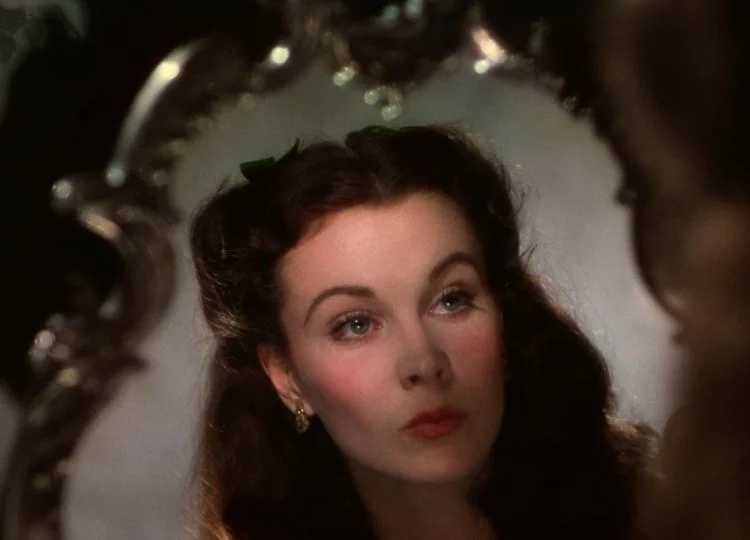
Gone with the Wind arrives on 4K Ultra HD with new features about its cultural influence, its restoration and Vivien Leigh’s performance as Scarlett O’Hara. That combination gives the release two different jobs: presenting a familiar Hollywood epic in a new home format, and asking viewers to think about what the film has meant beyond its images of romance and spectacle. Scarlett remains a striking part of that conversation. Her force stands apart from the film’s carefully sanitized view of the Civil War and the South, a contradiction the new material appears ready to examine rather than ignore.
In an exclusive clip from the release, Jessica Maltin argues that Scarlett was a sharp break from the ingenues around her: “She is more real, and that may be why she lasts.” Film historian Karie Bible draws another distinction, comparing Scarlett to the “lovable rogue” often given to male characters. “The character of Scarlett O’Hara is the first time I can remember seeing a woman be a lovable rogue,” she says. The comparison points to a familiar kind of screen appeal: a character can be selfish, difficult and still compelling to watch. Scarlett’s lasting interest may come partly from that friction, since the film asks audiences to follow a woman who can be both resourceful and deeply self-centered.
A complicated Hollywood landmark
The film remains a defining example of Hollywood spectacle and a revealing record of how popular cinema can reshape history. Its scale and cultural reach sit alongside an archaic, sanitized depiction of one of America’s greatest horrors. Those qualities can’t be separated simply by praising the filmmaking or dismissing the story’s historical framing. A movie can be technically and culturally significant while also presenting a distorted picture of the world it depicts.
The new material addresses that long afterlife through commentary from critics and scholars on the film’s influence and place in popular culture. That context matters because a film’s reputation isn’t fixed at the moment of release: later viewers bring different questions to its characters, images and omissions. Here, the discussion of Scarlett offers one route into the film’s appeal, while the wider cultural discussion can make room for its troubling historical perspective. The two readings don’t cancel each other out. They explain why the film can still draw attention and argument at the same time.
Leigh stars alongside Clark Gable, Olivia de Havilland, Leslie Howard and Hattie McDaniel. The story follows Scarlett, a wealthy and self-centered young woman who longs for Ashley Wilkes as the Civil War devastates the South. She finds the resolve to protect her family and rebuild her life, while failing to recognize her love for Rhett Butler until she has driven him away. The plot’s emotional engine is that mismatch between Scarlett’s determination and her ability to understand what she wants. Her survival instincts make her formidable; her blindness to other people’s feelings gives the story its sharper edge.
Scarlett’s appeal, and its limits
Calling Scarlett a “lovable rogue” is a useful way to describe the character’s energy, but it also raises a question about how audiences are invited to judge her. The label makes room for flaws without turning them into a reason to look away. In this case, Scarlett’s ambition and self-interest help distinguish her from a more passive heroine, while the film’s romantic framing can make her choices feel larger than life. Here’s the thing: a memorable character isn’t automatically a model to admire.
That tension makes the feature on Leigh’s portrayal more than a simple celebration of a famous performance. It gives viewers a way to consider how an actor can make a character vivid even when the story around her carries assumptions that deserve scrutiny. (And this is the part most people overlook.) A character’s force can outlast the worldview of the film that created her. The performance remains worth discussing; the film’s historical distortions still matter. Both can be true.
What’s new on the 4K release
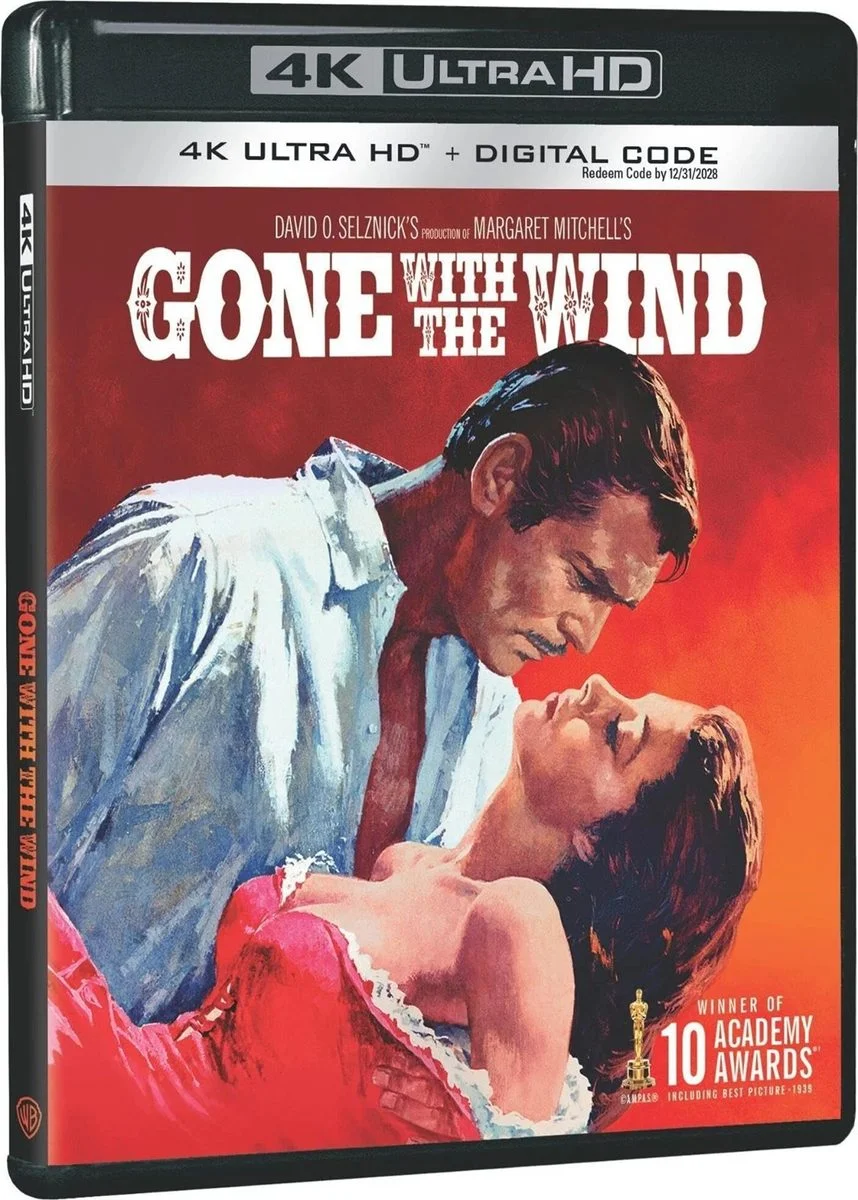
The digital edition and 4K Ultra HD + Blu-ray include three new features. Gone with the Wind: The Influence that Endures brings critics and scholars together to discuss the film’s ongoing cultural presence. Gone with the Wind: Restoring and Preserving an Epic follows the artists who worked to restore its color, picture quality and audio. Scarlett O’Hara: A Woman Ahead of Her Time focuses on Leigh’s portrayal of the character. Taken together, the features address the movie as an object of preservation, a work with a long public life and a vehicle for a performance that continues to invite debate.
The restoration feature gives the release a practical point of interest for viewers weighing the upgrade. A new format can make an older film more appealing to revisit, though the available description doesn’t specify the technical changes or how they compare with earlier editions. That leaves the feature itself as the clearest guide to what restoration work involved: attention to color, picture quality and sound. For viewers curious about the craft, that process can add useful context to the finished image.
The discussion of Scarlett offers another reason to return, especially for viewers interested in how a character’s appeal changes as audiences revisit her. If you’re working in this space, the release’s pairing of restoration material with critical commentary is a reminder that preservation and interpretation often travel together. The image may be refreshed, but the questions around what the film presents remain. A new transfer can show the work differently; it can’t settle what the work means.
Why the release matters
This is more significant than it looks. The edition’s strongest case may be the way it places technical care beside cultural criticism, rather than treating the film’s longevity as uncomplicated praise. That said, the source material only describes the features in broad terms, so viewers won’t know from these details alone how extensive the restoration is or how much depth the discussions provide. The promise is clear; the specifics are limited.
For longtime fans, the 4K release offers a chance to see a familiar film through a restoration-focused presentation and revisit its central performance. For newer viewers, the added features may help frame the experience, particularly when the film’s treatment of history sits so uneasily beside its reputation as a landmark. A difficult legacy. That tension is part of the viewing experience, not a footnote to it.
The 4K edition is available here.
Discussion
Sign in to join the discussion.