John Harris shares insights from his 40+ years in live music, highlighting successful marketing strategies and unique venue advantages in 2025.
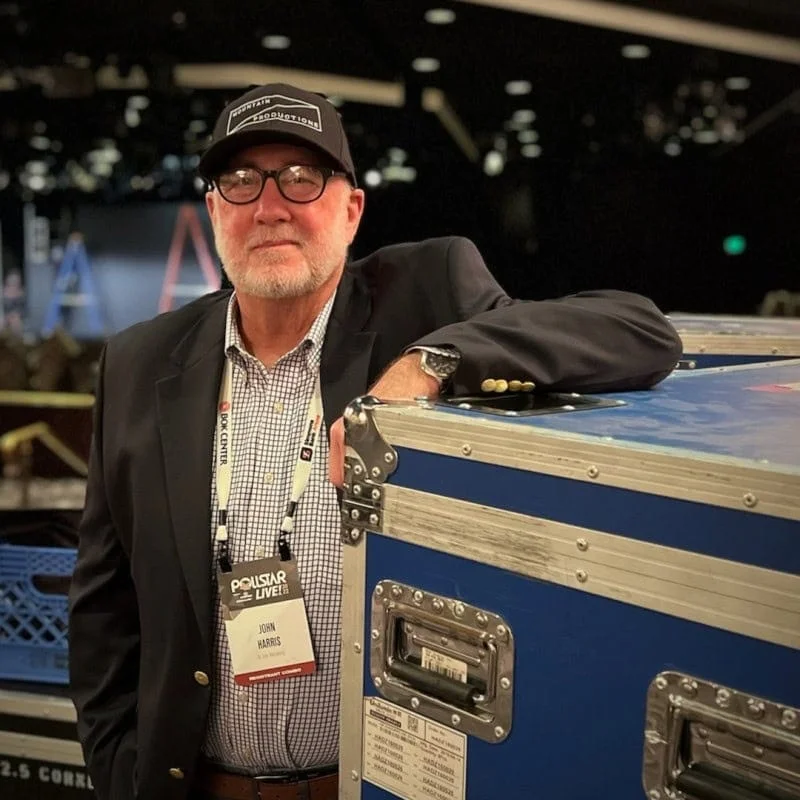
Insights from John Harris of XL Live
After more than four decades in the live music scene, John Harris has solidified his reputation as a key player in the industry. His experience spans various roles, including talent buyer, promoter, and marketer. Working as the Talent Buyer at XL Live, a venue he’s been part of since its 2018 launch, Harris has witnessed significant trends impacting ticket sales and event organization for upcoming years like 2025.
About XL Live
XL Live, boasting a capacity of 1,200, features the SouthSide Stage, which can accommodate 3,000 attendees outdoors. Under Harris's direction, the venue has achieved over 50 sold-out performances, showcasing a diverse lineup that includes artists like All Time Low, Coheed and Cambria, and Rick Ross. This diversity not only reflects the eclectic tastes of the audience but also highlights Harris's keen ability to curate appealing events for a wide range of fans. Positioned in a smaller market yet offering high-quality experiences, XL Live is aiming to carve a niche that rivals larger venues.
Daily Operations
Most of Harris's mornings are spent collaborating with the General Manager and Marketing Director at the venue's office, focusing on upcoming show announcements and ticket sales. His role involves not just operational tasks but also strategic planning that considers past performances and current trends. As evening approaches, he transitions to his home office, where he continues to engage with his extensive network built over decades. This dual setting illustrates a modern work culture that's both collaborative and flexible, essential to staying connected in today’s fast-paced industry.
Marketing Approaches
Harris recommends deploying a myriad of social media platforms, including Facebook, Instagram, Twitter, and TikTok, for promoting events. Each platform serves different demographics, creating opportunities to reach a wider audience. Although social media is critical, he also employs Bandsintown and Mailchimp for precise email marketing strategies. Local print and radio media, alongside grassroots promotion, complement digital efforts to foster community engagement. Still, these traditional methods are often left behind in the fast-moving digital landscape, showing the industry's tendency to evolve towards more immediate strategies.
Emerging Marketing Tools
When discussing what’s proving effective for ticket sales, Harris points to the integration of Bandsintown's Meta tools and their use of Mailchimp. These innovations are showing real promise for reaching potential ticket buyers and enhancing promotional strategies beyond simple announcements. This represents a shift from conventional marketing practices to more data-driven tactics. Enhanced analytics tools are not just nice-to-haves—they're essential for understanding buyer behavior and refining outreach efforts.
Impactful Campaigns
Harris reflects on the excitement of booking acts that reach beyond their typical demographic. Events featuring artists like SAINt JHN, MC Lyte, and Gogol Bordello challenge their marketing strategies and provide unique engagement opportunities, driving both creativity and outreach. By diversifying the roster, XL Live isn’t just playing to its strengths; it’s also positioning itself to attract new audiences who might not typically attend. Discoverability and audience expansion remain top priorities, which require creative marketing efforts and close collaboration with booked artists.
Engagement with Artists
While Harris appreciates the information artists and their teams provide, he believes that better collaboration could streamline the ticket selling process. Information-flow issues often disrupt promotional timing, leading to missed opportunities for maximizing ticket sales. Clarity and comprehensive communication can further enhance promotional efforts, creating a more cohesive approach to event marketing. It can also foster stronger relationships between the venue and the artists, ultimately benefiting both parties.
Competitive Landscape
Operating in a smaller market with several venues of similar size presents a set of challenges. Proximity to larger cities and established institutions like Live Nation heightens competition. These giants have established relationships and resources that often overshadow smaller venues. Nonetheless, XL Live distinguishes itself through superior artist amenities—offering dressing rooms, private bathrooms, and excellent in-house production capabilities. Customer experience also plays a key role; attention to generous parking, cleanliness, and comfortable amenities can make a significant difference. It's not just about the show; it's about the whole experience from arrival to departure.
Looking Ahead
Harris's approach reinforces the importance of adaptability in the live music industry, as he continues embracing new tools and strategies to meet shifting audience expectations. If you're working in this space, you know that the climate is constantly changing—subtle nuances in consumer preferences can dictate success or failure. With an unwavering focus on enhancing both artist and attendee experiences, XL Live stands ready to tackle upcoming challenges. This forward-thinking mindset will be critical as the industry navigates whatever upheavals the next few years may hold.
The Future of Live Events
The live music venue landscape is witnessing significant transformations. Harris's focus on integration and communication could set a trend that not only enhances operations but also revitalizes audience engagement. With technological advancements at our fingertips, the balance between physical events and digital experiences will likely shape how venues operate and connect with fans. As marketing tools evolve, staying ahead of these changes will be more than just a competitive advantage; it might become a necessity for survival.
Discussion
Sign in to join the discussion.