From the Bronx to Lower East Side, New York’s museums are undergoing significant expansions and renovations, redefining cultural engagement.
A fresh perspective on New York’s museum scene reveals a flurry of ambitious projects underway, reshaping how these institutions connect with their communities. From Harlem to the Bowery, various cultural spaces are undergoing transformative expansions and renovations that promise to enhance visitor experiences and accessibility.
Canyon: A Unique Art Space in the Lower East Side
Set to open soon, Canyon will introduce a 40,000-square-foot contemporary art venue on the Lower East Side. Founded by philanthropist Robert Rosenkranz and directed by Joe Thompson—known for his extensive work at the Massachusetts Museum of Contemporary Art—Canyon aspires to be “neither a conventional museum nor a kunsthalle,” but rather a welcoming space inviting prolonged engagement with art. The vision here diverges from traditional museum formats, focusing on video, sound, and performance art.
The architectural design, managed by New Affiliates, allocates 18,000 square feet for galleries and includes a striking 60-foot-tall skylit atrium that will enhance the ambience. A café and a full-service restaurant will reportedly keep the venue active late into the evening, catering to the local vibe. Thompson emphasizes the goal of eschewing traditional “unyielding white boxes,” aiming instead for artistic spaces that feel more like living rooms, with thoughtful lighting and comfortable seating.
The inaugural exhibition, Worldbuilding, curated by Hans Ulrich Obrist, will feature an eclectic mix of 68 artists, delving into themes of digital gaming culture through works from figures like Laurie Anderson and Bill Viola. Long-term partnerships with organizations such as Rhizome will enrich Canyon’s programming, setting a dynamic cultural agenda.
The Bronx Museum: Community-Centric Renovations
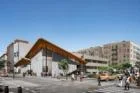
Meanwhile, the Bronx Museum is embarking on a $43 million renovation and expansion project, designed to strengthen its ties with the local area. This initiative, led by Marvel, is centered on reimagining the museum's entrance and lobby, which previously lacked a direct street presence. It will feature a distinctive sloped, geometric roof and a glass façade that harmonizes with a neighboring origami-like structure.
Shamim M. Momin, the museum’s director, points out that the renovation plan stems from extensive community research, reflecting the museum's historical roots in representing underrepresented artists. While undergoing renovations, the museum remains operational, continuing to host exhibitions such as the AIM Biennial and various educational programs, with a complete reopening slated for autumn 2027.
The Met: A Multimillion-Dollar Modernization
The Metropolitan Museum of Art is also in the midst of a noteworthy $550 million renovation, led by Mexican architect Frida Escobedo. This project will transform its Modern and contemporary art wing, the first designed by a woman in the museum's history, with construction set to complete in 2029. Earlier enhancements to the Met also included a $70 million revamp of its Rockefeller Wing, which now showcases arts from Africa and the Americas.
Challenges for Moca's Expansion
The Museum of Chinese in America (Moca) plans a significant expansion from 12,000 to over 68,000 square feet, designed by artist and architect Maya Lin. Challenges have arisen, however, with delays in fundraising and ownership negotiations of the building, pushing ground-breaking timelines into uncertainty. Moca's director, Michael Lee, has not yet provided updates on an opening date, amplifying the intrigue around how this expansion will redefine the museum's capacity for community engagement.
The Kitchen and Other Cultural Spaces Move Forward
In Chelsea, The Kitchen, a longstanding non-profit space for performance and experimental art, is also navigating an ambitious $28 million renovation. Initially starting in 2022, the organization has had to temporarily relocate but continues its programming throughout the city. This reimagining reflects a broader trend of New York's art institutions placing significance on community involvement and accessibility as they build for the future.
Recent Openings and Near Completion
This year's resurgence in construction comes alongside the unveiling of several notable projects. The New Museum's $82 million expansion added a 60,000-square-foot building, doubling its total space and incorporating artists' studios and galleries. Meanwhile, the Frick Collection has reopened with a $220 million renovation adding galleries and a new café, thus enhancing its offerings.
The Studio Museum in Harlem proudly concluded a seven-year effort last November, delivering a purpose-built facility designed by Adjaye Associates. The project amounted to around $300 million and incorporated modern amenities while actively showcasing works significant to the Black experience in art.
A Wave of Transformation
As these projects unfold, they collectively represent a vibrant wave of transformation in New York’s cultural institutions. The closing years of the pandemic have necessitated a reevaluation of how museums engage with their communities, making these expansions a strategic key to future art appreciation and accessibility. The current trajectory suggests a cultural renaissance in New York, positioning the city as a pivotal leader in redefined artistic expression.
Anticipation builds around how these newly designed spaces will foster community interactions and cultural dialogues, charting a path for a more inclusive art environment.

Discussion
Sign in to join the discussion.