The Mauritshuis museum in The Hague will return a 17th-century Van Goyen painting to the heirs of Jacques Goudstikker, acknowledging its Nazi-looted past.
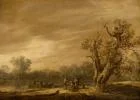
A 17th-century oil painting by Jan van Goyen, titled Fishermen by the Lakeshore, will be returned to the heirs of Jewish art dealer Jacques Goudstikker after crucial provenance research uncovered its troubled history. The painting, acquired by the Mauritshuis in The Hague for 58,000 guilders (approximately £6,000) in 1967, had been part of Goudstikker's collection before it was looted by the Nazis.
Context of Looted Art
The return of artworks looted during World War II isn’t just a matter of transferring ownership; it’s a complex narrative that often involves deep ethical and emotional dimensions. The Nazi regime systematically targeted Jewish art dealers and collectors, confiscating their possessions under duress. Jacques Goudstikker, celebrated for his vast collection of artworks, became one of many whose treasures were stolen during this dark chapter in history. His efforts to flee Europe—ending tragically with his death in 1940—signify the human cost of that era, intertwining personal loss with the fate of cultural treasures.
The Importance of Provenance Research
Recent research efforts to track the provenance or history of ownership of these artworks have become pivotal in determining rightful ownership. Provenance research aims to document where an artwork has been held, more so in cases of wartime looting. In this instance, the direct link between Goudstikker and the oil painting served as a linchpin in the decision to return the piece. This scenario underscores a significant evolution in the art world, as institutions increasingly grapple with the legacies of their acquisitions—especially those that have dubious origins. This isn’t merely about paperwork or historical accuracy; it’s fundamentally about restoring dignity and honor to those wronged by past injustices.
The Role of Dutch Authorities
The Dutch culture minister Rianne Letschert announced the decision to return the painting to Marei von Saher, Goudstikker’s daughter-in-law, upon the advice of the Dutch Restitutions Committee. This recommendation reflects a structural shift within Dutch politics and cultural institutions towards a more responsible handling of historical art injustices. This is not just a procedural change; it indicates a stronger moral resolve to rectify the past.
Impact of Coerced Transactions
The committee emphasized that the loss of possession was involuntary, as Goudstikker’s widow, the major shareholder in his dealership, did not consent to the sale. Framing transactions during the Nazi occupation as coerced acknowledges the extreme pressures and dangers those like Goudstikker and his heirs faced. This nuanced understanding of historical context is vital when evaluating the legitimacy of past art transfers. For many heirs, reclaiming their family’s art is less about monetary values and more about restoring faith in justice and acknowledgment of their losses.
Shifting Attitudes Towards Restitution
This shift in Dutch restitution policy reflects a growing commitment to address such historical injustices with greater transparency and sensitivity. A report published in 2020 indicated a desire for a more humane approach to cases involving artworks looted during World War II. The complexity of retrieval, juxtaposed with emotional narratives, is changing how institutions engage with provenance inquiries. The recent decision regarding the Van Goyen painting stands as a testament to this commitment. These contemporary attitudes signify an evolving quality of museum ethics, prompting leaders to weigh both historical and contemporary responsibilities. If you're working in this space, know that these changes influence the landscape significantly.
Public Sentiment and Museum Leadership
Historically, the return of 202 works from Dutch museums to the Goudstikker family two decades ago faced public scrutiny, causing museum leaders to fear a wave of additional restitution claims. This environment driven by skepticism led to stricter rulings on restitution applications, complicating future efforts and often stifling rightful claims. Auke van Hoek, an art lawyer, highlighted how this scrutiny has led to a cautious approach among museum authorities, indicating an awareness of public sentiment and the complexities surrounding restitution.
Defending the Decision
Judith Niessen, the Mauritshuis's head of collection and research, defended the decision to return the Van Goyen painting. She acknowledged the museum acquired it in good faith but recognized its rightful place was with Goudstikker's heirs, following the injustices of its prior transfer. “It doesn't belong to us: it left the Goudstikker collection in an unjust way.” Statements like hers signal a deeper awareness among curators, reflecting a necessary paradigm shift in how art institutions recognize their role in perpetuating or addressing historical wrongs.
Implications for the Future
Looking ahead, the changing attitudes towards restitution highlight a necessary recognition of the complex histories behind artworks, prompting museums to navigate these sensitive issues with care and responsibility. This is more significant than it looks. As such practices become more prevalent, they compel institutions worldwide to grapple with their legacy of acquisition and ownership. Art institutions must prepare for new scrutiny from the public and stakeholders alike. The dialogue surrounding cultural restitution is set to expand, raising critical questions about justice, memory, and the role of art in society. The impact of this decision will likely resonate beyond borders, influencing international dialogues on art repatriation and ethical stewardship of cultural heritage.
Discussion
Sign in to join the discussion.