Archaeologists are increasingly leveraging drone technology to monitor and protect heritage sites endangered by climate change and human activities.
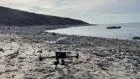
In the face of climate change, archaeologists are now turning to drone technology to monitor and safeguard heritage sites globally. A recent initiative in Northern Quebec illustrates the pressing need for such advanced methods. A team of researchers flew drones over Nunavik to assess the impact of climate change on archaeological locations, revealing urgent vulnerabilities. With the climate crisis intensifying, traditional inspection methods are increasingly inadequate against the rapid changes occurring in these critical areas. This shift towards drones represents a merging of technology with heritage preservation, an intersection that’s becoming vital.
Drone Technology in Peru: A Close Look
Take, for instance, the teams at work in Peru, where drones have taken on a pivotal role in recording the status of nine archaeological sites. Utilizing photogrammetry, they’ve managed to create detailed 3D imagery that captures the slow degradation of these locales due to both natural and human-induced factors. What makes this effort particularly significant is the potential for this visual documentation to influence future conservation strategies. The ability to visualize the deterioration process in real-time shifts how archaeologists can respond, moving from a reactive to a more proactive methodology.
In a study published in the Journal of Field Archaeology, Edyta Puniach revealed her team’s original intention to align drone flights with an anticipated mega-El Niño weather event. They hoped to document dramatic environmental shifts that would provide valuable data for understanding heritage site resilience in extreme conditions. However, when those extreme conditions didn't manifest during their initial surveys in November 2023, they pivoted. Their focus shifted to analyzing the effects of standard weather patterns and human activity on archaeological integrity. They discovered that aspects such as sand dune movements, river dynamics, and illegal excavations posed significant risks to sites like Huaricanga, which boasts a history dating back to 3000 BC.
Fortunately, follow-up drone flights in July 2024 showed no new looting incidents at Huaricanga, but they did identify rising threats from agricultural expansion and urbanization, impacting eight of the nine surveyed sites. This highlights an important aspect of drone use: without this technology, many of these subtle yet critical changes would have gone undetected for much longer. The implications here are broader than individual sites; they suggest a systemic inadequacy in our current archaeological monitoring practices.
The Advantages of Drones Over Traditional Methods
Monitoring heritage sites from above has always presented logistical challenges, largely due to time and funding constraints. Traditional methods like balloons, kites, and satellites have primarily been useful for basic site identification rather than ongoing conservation monitoring. However, today, drones provide a practical and cost-effective solution that can efficiently capture changes. They offer an aerial perspective that was previously unattainable, allowing for increasingly detailed imagery that highlights minute alterations on the ground. For the archaeology sector, this can mean the difference between discovering a problem and allowing it to escalate.
As drone technology continues to advance, archaeologists can integrate this information into AI systems designed to detect emerging threats, which could dramatically streamline the monitoring process. This simplifies data collection significantly and reduces the likelihood of human error. Archaeologists can then devote more time to analysis and intervention rather than basic data gathering.
Challenges Faced in Climate Change-Affected Regions
For instance, a team conducting drone surveys in Nunavik targeted seven archaeological sites, armed with various sensing techniques to combat erosion, encroaching vegetation, and forest fires. As temperatures rise, these environmental changes have become critical challenges. Dense shrubbery is obstructing site visibility, while wildfires expose previously hidden historical remains, complicating conservation efforts. Even advanced tools like Lidar have struggled to penetrate the dense foliage, reinforcing the urgent need for regular aerial assessments. This is where drone technology shines: it can overcome physical barriers that typically hinder on-the-ground inspections.
Global Impacts on Heritage Preservation
Archaeologists around the globe, from Peru to Canada, are grappling with contemporary challenges in heritage preservation. Drone technology provides an efficient way to monitor site changes, enabling them to act swiftly before irreversible damage occurs. In Carnac, France, for example, drone surveys have uncovered previously unknown stones buried beneath the earth's surface. Such discoveries underscore the importance of advanced technological interventions in finding and preserving sites that might otherwise remain hidden.
Additionally, at a UNESCO World Heritage site in Agrigento, researchers identified the remnants of an unrecorded structure through aerial imaging. It’s a striking reminder that much of our understanding of history is precariously balanced on the brink of loss — and the effective use of drones can help safeguard against that.
Looking Ahead: The Future of Archaeological Monitoring
Ultimately, ancient artifacts typically thrive in temperate ecosystems like oceans, ice patches, and wetlands. These are also environments increasingly threatened by changing climates. With the tools and capabilities drones provide, archaeologists are better positioned than ever to confront these challenges. Now, they have a faster, low-cost way to monitor endangered sites, ensuring that heritage can be preserved for future generations. If you're working in this space, the takeaway is clear: leveraging technology effectively isn’t just an option; it’s a necessity. As climate impacts ramp up, the integration of drone technology into archaeological practice seems more essential than ever — not just for research, but for safeguarding our collective heritage.

Discussion
Sign in to join the discussion.