In Bogotá, artists and cultural workers protested significant cuts to Colombia's arts budget, demanding better support and accountability from the government.
Background of the Protest
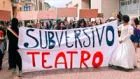
On September 21, artists, students, and cultural professionals gathered in front of the Colombian Ministry of Culture in Bogotá to oppose a potential 30% reduction to the cultural budget for 2027. This protest was fueled by a proposed cut of approximately $90 million, coinciding with a notable 14.2% rise in the overall national budget. These financial discrepancies have raised eyebrows, highlighting a troubling trend where the arts often bear a disproportionate burden in budget tightening situations.
Voices from the Frontlines
Dubán Prado, director of the independent theatre group Subversivo Teatro, articulated the sentiments of many, stating that artists find themselves trapped in a political impasse as one government blames the last for inherited fiscal issues. “The cultural sector should be the last to suffer because of this,” he remarked to The Art Newspaper. His frustration reflects a common sentiment among artists when it comes to budgetary decisions. Culture often gets sidelined in political games, despite its significant contributions to societal cohesion and economic vitality.
The Cancellation of National Arts Awards
Compounding the issue, the Ministry of Culture announced a suspension of the national arts awards for the first time in 27 years. This unprecedented decision, which abruptly halted the evaluation process for over 1,300 submissions, particularly struck a nerve among those awaiting recognition. Such awards serve not only to honor artistic achievement but also to provide vital public visibility for artists. To cancel them without warning for the first time in nearly three decades underscores a lack of foresight and sensitivity to the cultural community's needs.
Political Accountability and Justifications
The ministry justified the budget cuts by pointing to fiscal challenges claimed to have originated during the administration of Gustavo Petro. However, contrasting perspectives from the previous government stated that funding had already been allocated in the budget. This dichotomy of viewpoints reflects the broader governmental inertia that has plagued many institutions, leading to a crisis where the arts are caught in the crossfire. Amid misunderstandings and accusations, the current government cited a lack of roughly $270,000 needed for jury payments and $2.75 million for award funding.
The Human Cost of Budget Cuts
The ongoing financial strife has left 4,162 artists and cultural workers awaiting payments tied to various cultural initiatives, exacerbating tensions further. This situation paints a stark picture: thousands of individuals whose livelihoods depend on cultural projects are left in limbo, struggling with uncertainty. As Lili Bonil, president of the Alianza Nacional de Trabajadores Audiovisuales, emphasized, “The effects of decisions that disrupt the country’s cultural sector are now being felt by thousands of arts workers.” The emotional weight of this crisis is significant, as stability in funding often translates to security in livelihoods—something artists are finding increasingly hard to maintain.
Initial Responses and Mobilization Efforts
In response to the protest's immediate pressures, Prado noted that his theatre company received a long-awaited payment after months of delays, illustrating that pushback from artists is beginning to yield results. “The mobilisation worked, after formal requests, complaints, claims and more,” he explained. Such victories, however small, reignite hope for meaningful change. If you're working in this space, you'd recognize that every little win contributes to an accumulation of pressure that could compel the government to reevaluate its stance on funding cultural initiatives.
A Government's Tenuous Reassurance
After the outcry from cultural workers, Colombia's Culture Minister, Paola Holguín, addressed the situation in a social media video, reiterating that the award furlough would only affect 2026 and attributing it to financial troubles from the previous administration. “It is better to tell the truth than to keep misleading such an important sector: artists, cultural managers and creators,” Holguín stated. This attempt at reassurance raises questions regarding credibility and communication strategies. Were these cuts truly necessary, or could they have been mitigated through better budgeting and planning?
The Bigger Picture: Funding and Cultural Commitment
This unfolding drama emphasizes a broader narrative surrounding the arts and culture in Colombia, where funding issues reflect deeper systemic struggles and politics. Cultural funding is often the first to go in times of austerity, but this strikes at the heart of societal values. Investing in the arts is not merely an expenditure; it's a commitment to fostering creativity and fostering national identity. As stakeholders continue to demand accountability and a reversal of current cuts, the future of Colombia's cultural scene hangs in the balance.
Implications and Future Outlook
What this means for you — if you’re a cultural worker, an artist, or even a supporter of the arts — is that the stakes are particularly high right now. Political accountability and public advocacy are essential. As criticisms ripple through the cultural community, we might see a renewed effort to challenge not just budget cuts but the very narratives that deem culture expendable.
The current financial allocations for the arts highlight the delicate balancing act that governments face. This unfolding situation will likely invite deeper scrutiny and necessitate robust dialogue about the role of culture in society. How the Colombian government responds could set a precedent, offering lessons for others grappling with similar dilemmas.
Discussion
Sign in to join the discussion.