New public art installations across NYC showcase diverse themes, from environmental reflections to cultural tributes, enriching the urban landscape.
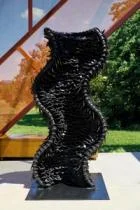
This autumn, New York City is alive with public art that provokes thought and inspires reflection, from environmental themes to cultural celebrations. Artists are transforming iconic spaces, engaging viewers through installations that explore urban life and ecological awareness. The shift towards public art reflects a growing recognition of its power to impact communities, fostering discussions that transcend conventional boundaries of art and society.
Chakaia Booker's Tire Sculptures at Socrates Sculpture Park
One standout piece is Chakaia Booker’s Gridlock (2008), located in Socrates Sculpture Park. This installation, composed of salvaged tires, challenges perceptions of mobility by converting a material synonymous with transportation into intricate, enfolded forms. Tires, often seen as mere refuse in the age of consumerism, take on new life as they are transformed into art, prompting viewers to reconsider their relationship with the urban landscape. This year marks the park’s 40th anniversary, adding significance to Booker's thought-provoking display; it serves as a reminder of the park's role in promoting environmental awareness and creative expression since its inception.
Alan Michelson's Environmental Commentary on Governors Island
On Governors Island, Alan Michelson's The Oyster (2026), a commission supported by More Art and the Billion Oyster Project, highlights the histories tied to ecological balance and human impact on marine life. The narrative around oysters is both historical and contemporary, illustrating their vital role in the ecosystem while addressing the consequences of urban pollution. This monumental installation invites contemplation on Indigenous practices and the resurgence of oysters in New York Harbor, effectively marrying art with environmental advocacy. The artwork doesn't just find its place in the public sphere; it serves as a call to action, encouraging viewers to reflect on sustainability and their own roles in the environment.
Genesis Belanger's Playful Interaction in City Hall Park
City Hall Park hosts Genesis Belanger's exhibition Heads or Tails, where sculptural birds frolic in a fountain, creating a whimsical oasis amidst the city's bustle. Here, art has the power to disrupt the daily grind, inviting playful engagement from passersby. This installation simultaneously includes potted fruit trees and bronze figures, enriching the space with themes of nourishment and nature. Belanger's work invites children and adults alike to interact, blurring the line between nature and urban life, and reminding us of the joy that can be found when art and environment coexist.
Provocative Statements on the High Line
The High Line features several compelling works, including Ximena Garrido-Lecca’s striking 9ft-tall bronze fountain, The Golden Crop (2026). Its neon-yellow water, reminiscent of toxic pesticides often used in corn farming, critiques industrial agriculture's impact on health and the environment. This isn't just an aesthetic choice; it's a stark visual commentary on how agricultural practices intersect with urban health and sustainability. Nearby, Derek Fordjour’s ARCHETYPE III: Resilience (2026) pays homage to the lives shaped by labor, portrayed through bronze figures of a boxer, a dancer, and a waiter. These installations merge artistry with social commentary, urging viewers to question the narratives they encounter in everyday life, ultimately pushing the boundaries of what public art can represent in our society.
Patricia Ayres' Enigmatic Figures on the Elevated Walkway
Patricia Ayres contributes a trio of sculptures on the High Line, titled 2-18-5-14-4-1-14-3-12-15-14-6-5-18-20, that decode to the names of Catholic saints. These enigmatic forms are wrapped in various materials, creating an intriguing dialogue about identity and faith in a public setting. The choice of saints highlights the intersection of personal belief and public experience, serving as a conversation starter about the ways cultural narratives shape urban spaces. (And this is the part most people overlook: the confluence of sacred and secular in a bustling metropolis.)
Roberto Lugo's Cultural Celebrations in Madison Square Park
In Madison Square Park, ceramicist Roberto Lugo’s installation Alfarero del Barrio showcases a giant orange fire hydrant alongside a 20ft-tall urn. This vibrant display honors Puerto Rican heritage, featuring portraits of influential figures, including Justice Sonia Sotomayor and reggaeton star Bad Bunny. Lugo's work underscores the importance of culture and community in urban spaces. By celebrating these cultural markers, Lugo not only serves the artistic community but also reminds us of the role of public space in fostering dialogue about representation and identity in a city as diverse as New York.
A Garden of Decreation at MoMA PS1
Precious Okoyomon’s installation, Among the Flowers I Learned to Love: A Garden of Decreation, fills the courtyard of MoMA PS1 with an ecologically diverse garden, where weeds and flowers coexist with a giant teddy bear sculpture. This playful piece allows visitors to climb through it, merging art and nature in an immersive experience that emphasizes the beauty of impermanence. The juxtaposition of weeds and cultivated flowers speaks to resilience in natural processes, prompting an audience that is increasingly aware of ecological fragility to consider their own interaction with nature.
Reflecting on the City’s Narrative
As these installations unfold across the city, they not only beautify the urban environment but also invite dialogue about urgent social and environmental issues. They contribute to the rich tapestry of New York City's public art scene, encouraging viewers to engage with their surroundings in new and meaningful ways. Each installation challenges the audience to consider their place within the urban fabric and the environmental implications of their actions.
Future Implications for Public Art
Looking ahead, public art like that displayed throughout New York City could redefine how communities interact with both art and the spaces they inhabit. Artists are leading this charge, using their work to highlight social justice, environmental crises, and cultural identity. If you're working in this space, consider how these pieces might influence not just public perception but policy as well. If these conversations can thrive in urban centers, there could be a wider push toward integrating art into the social consciousness, making it an integral part of community engagement and environmental advocacy. The trajectory of public art seems poised for significant changes as communities increasingly see art as a medium for action and dialogue.

Discussion
Sign in to join the discussion.