Nikon's Small World in Motion contest showcases breathtaking views of the microscopic world, illustrating beauty and complexity in our biology.
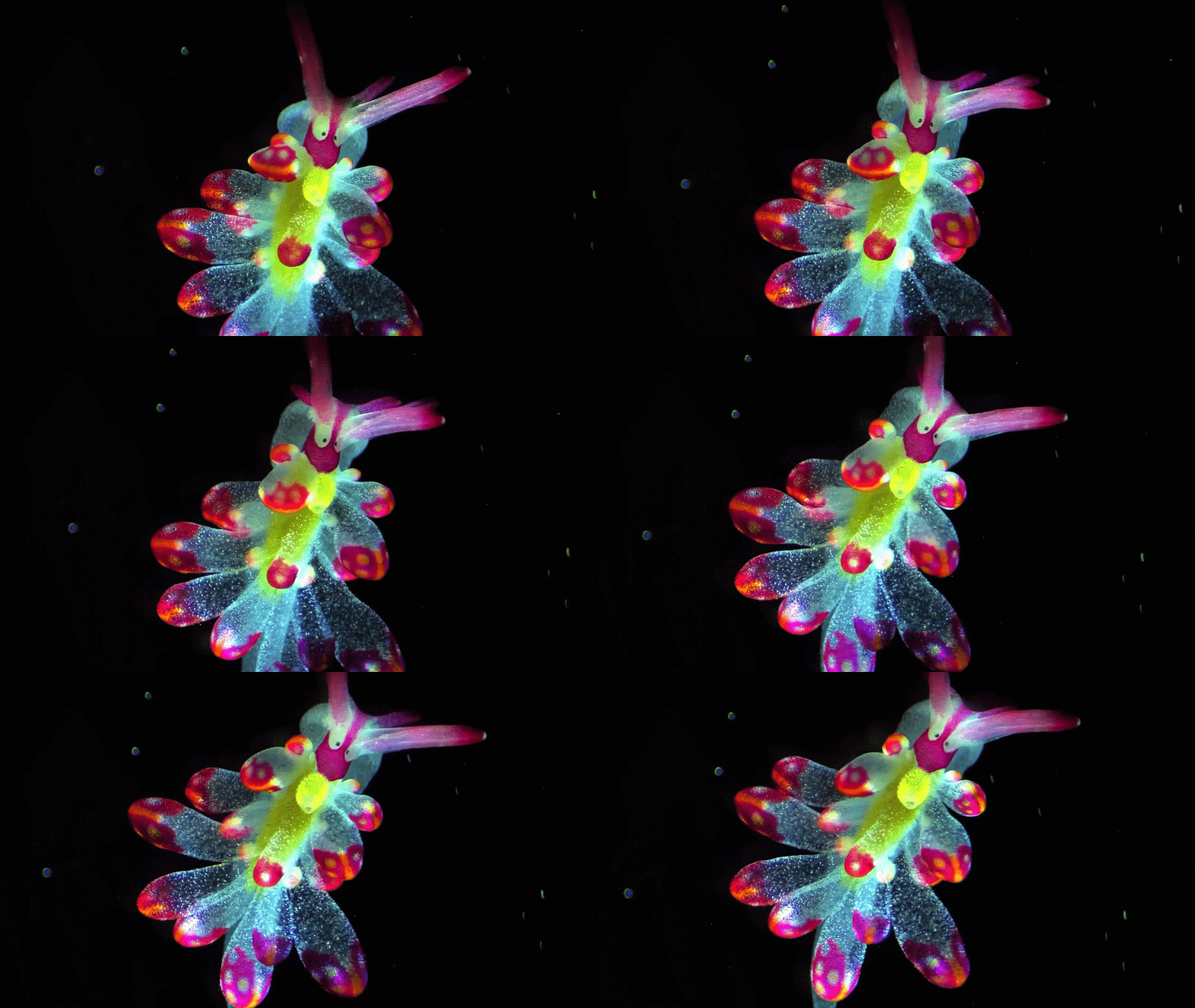
Celebrating Microscopic Artistry
Dr. Ning Xu's winning entry in the Nikon Small World in Motion competition showcases an extraordinary visual representation of the abnormal movements of airway cilia from a child suffering from Primary Ciliary Dyskinesia (PCD). This condition, characterized by dysfunctional cilia, often leads to serious respiratory issues. Dr. Xu, based in Beijing, highlights the significance of such microscopic phenomena, stating, “When people watch cilia beating, they immediately understand that something beautiful and important is happening inside us.” By presenting cilia in motion, the competition aims to bridge the gap between complex biological concepts and universal understanding, drawing attention to the vital functions that often go unnoticed in human health.
Microscopy, in its various forms, has been a vital tool in scientific exploration, enabling researchers to visualize structures and processes at a scale often invisible to the naked eye. The Nikon Small World in Motion competition emphasizes this aspect beautifully, transforming what could be mundane scientific imagery into compelling visual narratives. The effort to elevate the art of microscopy reflects a growing recognition of how visual storytelling can play a role in education and public awareness. For many, these splendid images can spark curiosity about the microscopic worlds that exist within us and the larger ecosystem.
Annual Competition Insights
Entering its 16th year, this prestigious contest continues to attract attention from across the globe. With over 340 entries coming from 40 countries, the competition is a testament to the growing interest in microscopy as both a scientific endeavor and an artistic expression. Renowned scientists and science communicators serve as judges, which adds a layer of credibility and rigor to the evaluations. Participants present a diverse range of captivating videos, each telling its own story, and you can explore the myriad of winning entries on the competition’s website.
The enthusiasm seen this year reflects a broader trend; as technological advancements in imaging equipment continue to drop in price and increase in accessibility, the barriers for entry in the field of microscopy are lowering. Students, educators, and hobbyists now have more opportunities than ever to engage with and contribute to this exciting intersection of art and science. And while the competition itself showcases high-quality scientific videos, it also serves as a reminder of the endless curiosity that drives scientific breakthroughs and exploration.
What does this mean for aspiring scientists and artists? It’s a call to action. If you’re working in this space, consider how you might tell your own stories through imagery and video. The potential for educational outreach and public engagement is enormous, particularly as societies seek to reconnect with science amidst misinformation and skepticism. The competition accentuates this need, proving that science can be both beautiful and enlightening.
Highlighted Videos
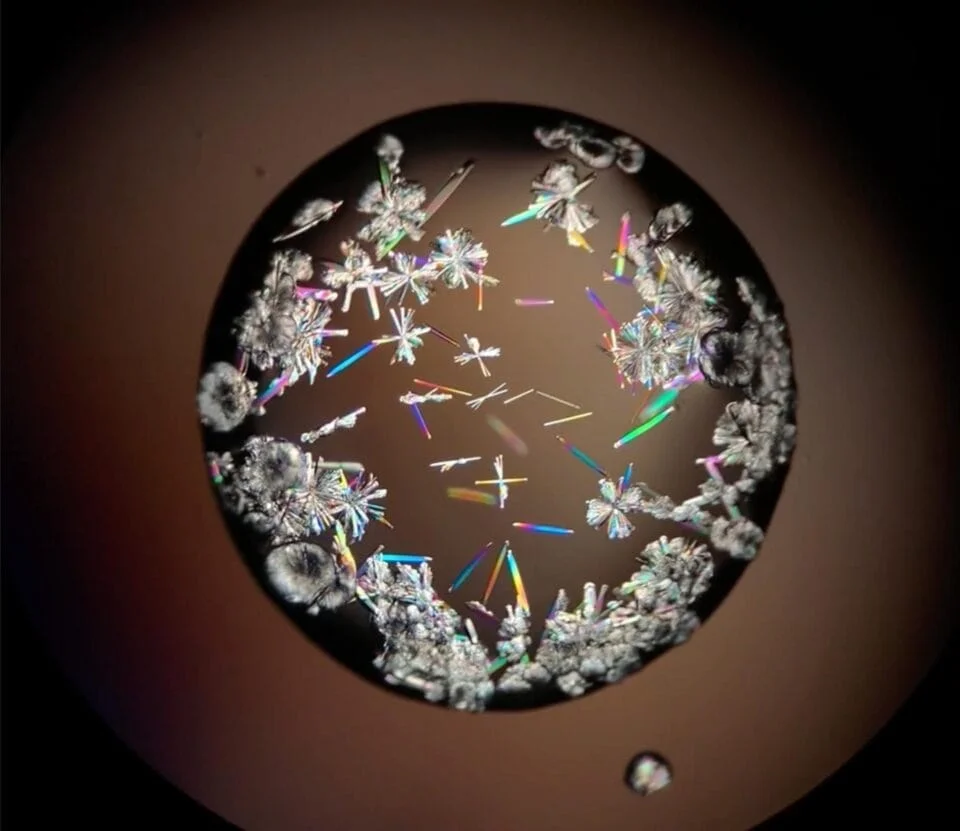
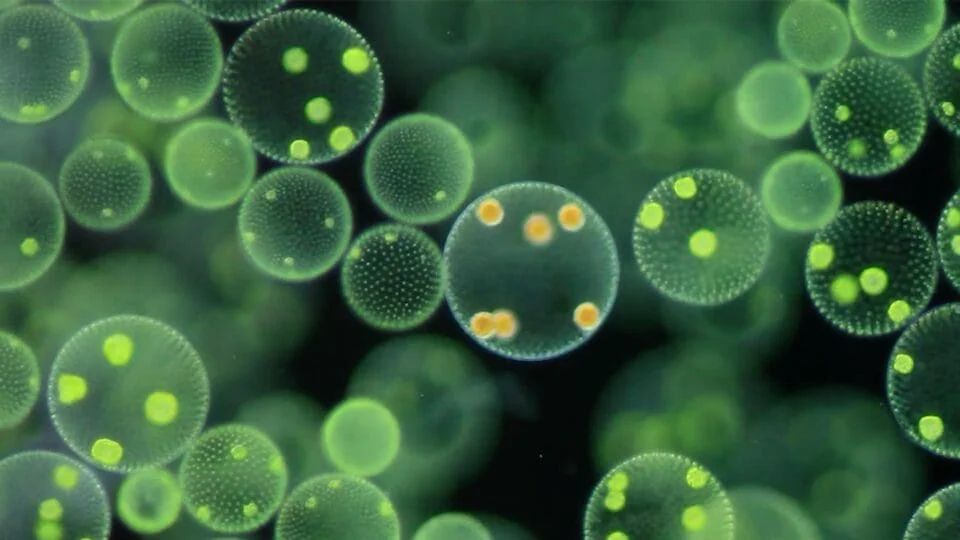
Each of these highlighted videos illustrates the fascinating microcosm that exists just beyond the limits of human sight. The visuals gathered from the competition exhibit not only the beauty of microscopic life forms but also their importance in wider biological contexts. This is more significant than it looks. These images and footage can change how we think about our health and the environment.
Implications for Science Communication
The success of the Nikon Small World in Motion competition underscores a broader need for effective science communication in our increasingly digital age. Media consumption habits are shifting, with audiences more inclined to engage with visual content than lengthy articles or technical reports. This evolution presents both challenges and opportunities for scientists and educators. While traditional channels of communication still hold value, the need for visual storytelling that distills complex scientific concepts into digestible formats is greater than ever.
In the wake of global events—think of the pandemic, climate change debates, or public health discussions—visual platforms can breathe life into data and statistics. They make science accessible and relatable, helping demystify subjects that are often confined to academic circles. However, this transition isn’t without its pitfalls; oversimplification can lead to misinformation. Striking the right balance is essential for fostering genuine understanding without sacrificing accuracy.
As we anticipate the announcement of winners in other categories, like the Nikon Small World photo competition on October 21, one realization stands out: competitions like this play a part in reshaping how we perceive both science and art. So, whether you’re a scientist, educator, or just someone who's curious about the natural world, it’s time to think about how you can contribute to this evolving narrative. The beauty found in the microscopic realm could spark new ideas, discoveries, and innovations that change our understanding of life itself.
Appreciate stories like these? Consider becoming a Colossal Member and support independent arts publishing.

Discussion
Sign in to join the discussion.