Harriet Mena Hill transforms Aylesbury Estate's remnants into art, preserving its community spirit through textiles and paintings amidst ongoing redevelopment.
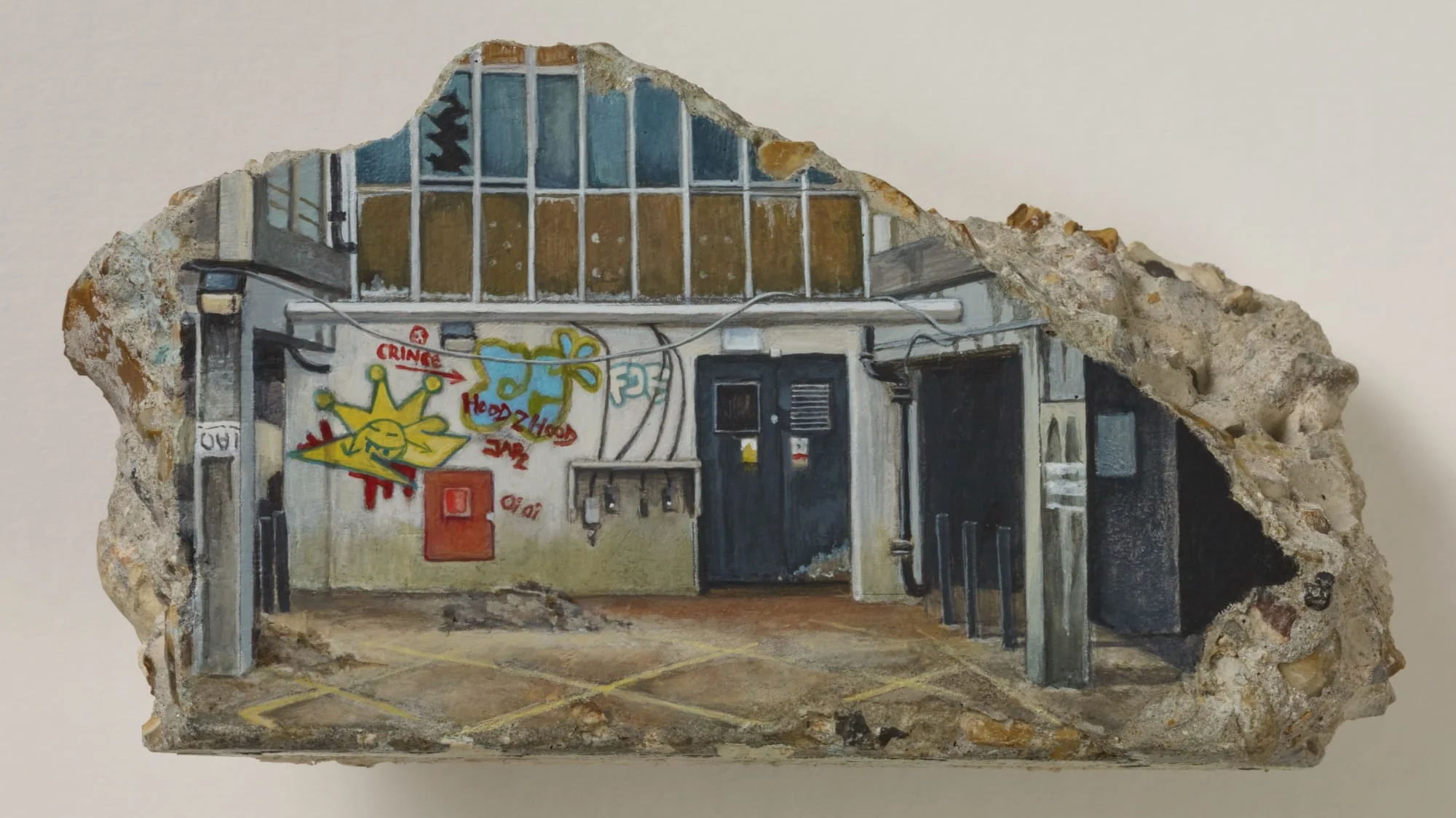
The Aylesbury Estate, a massive public housing complex in South East London, reflects decades of urban planning challenges. Constructed in the 1960s and 1970s, this once-thriving neighborhood catered to about 11,000 residents. However, over time, it became synonymous with violence and neglect. In 2005, after years of deterioration, city officials decided to pursue phased demolition instead of rehabilitation, triggering significant community unrest. This decision not only disrupted lives but also raised questions about the future of public housing in the UK.
The Role of Harriet Mena Hill
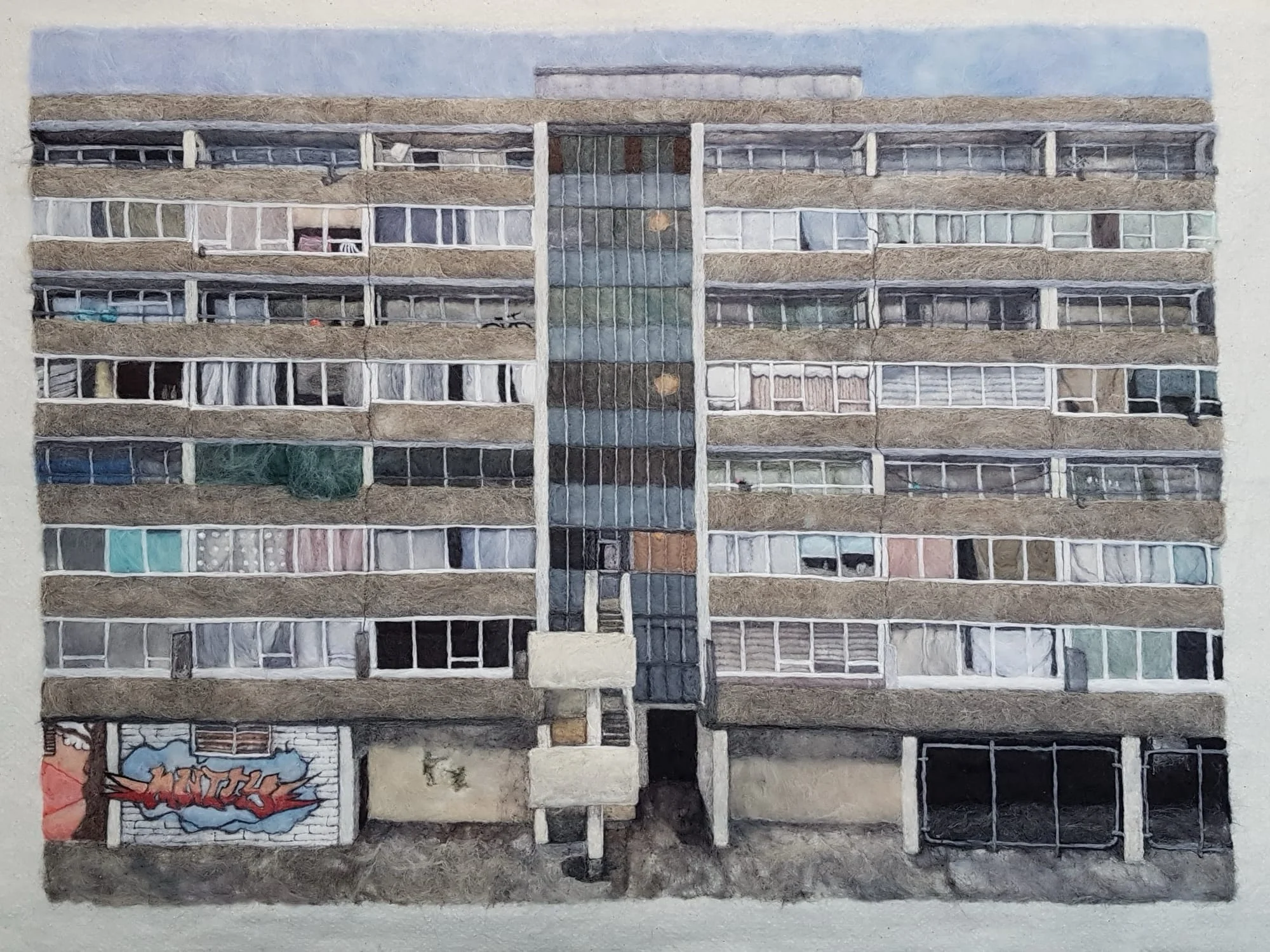
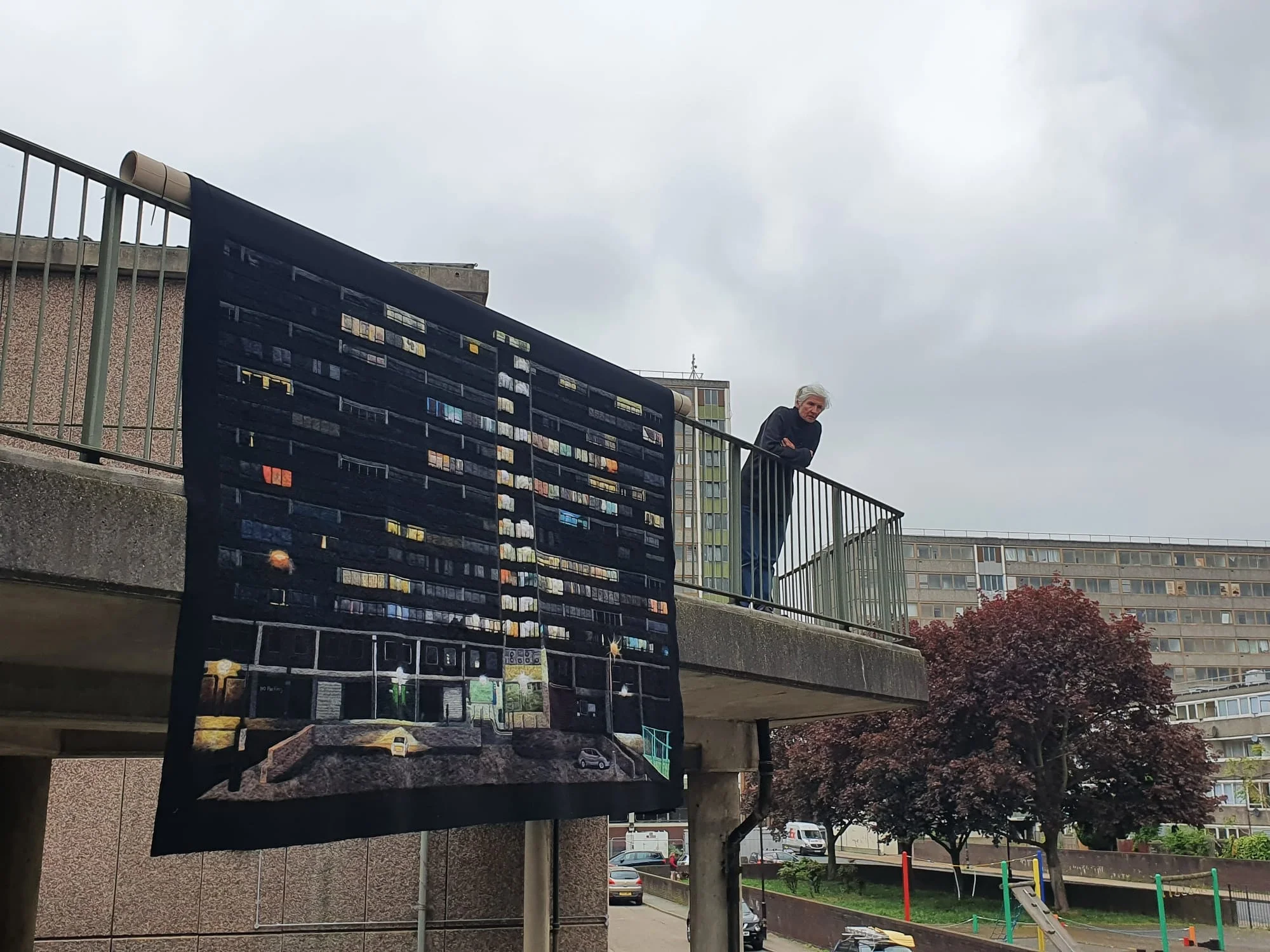
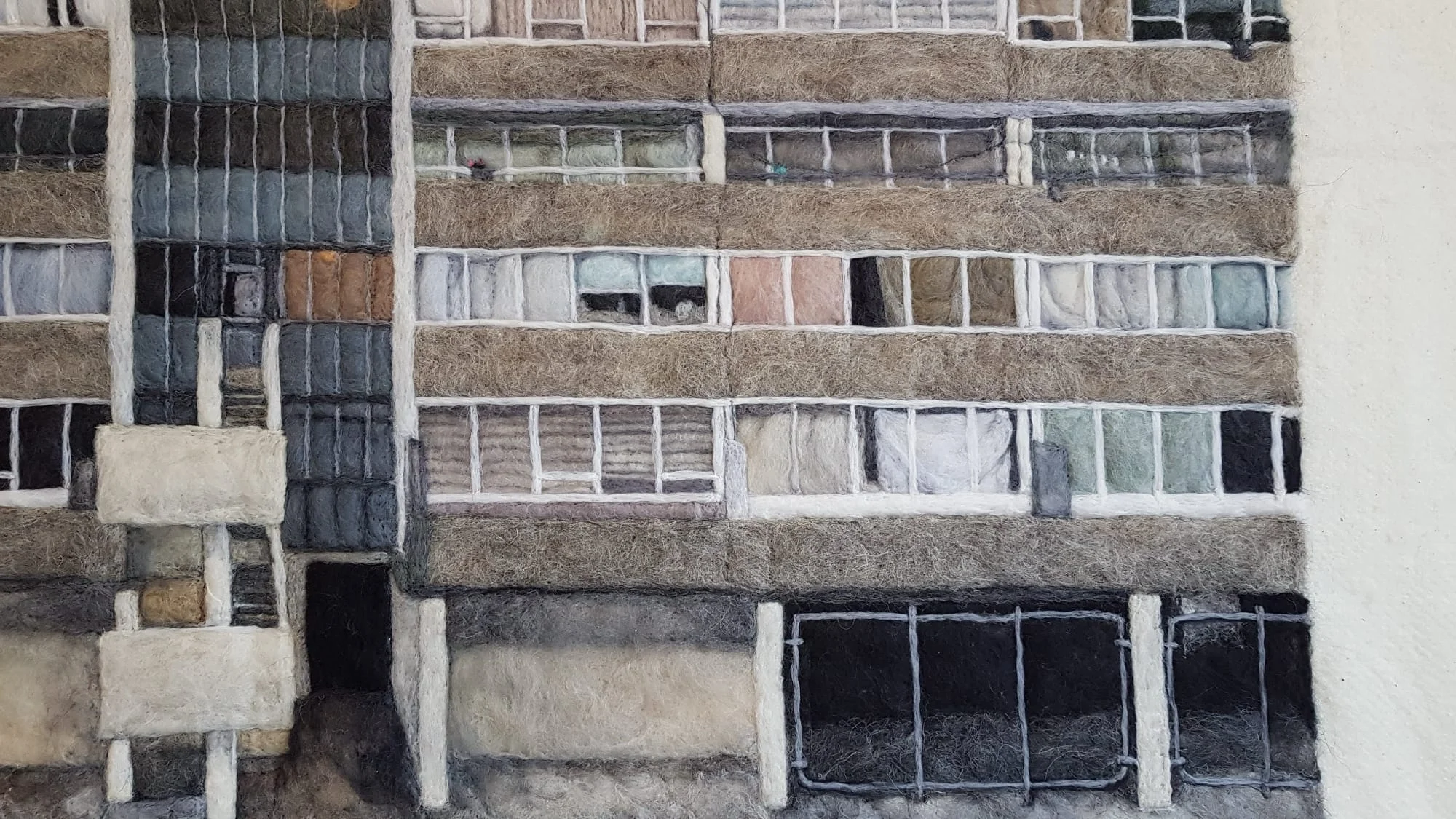
Artist Harriet Mena Hill has been an integral part of this community for nearly 40 years, witnessing firsthand the estate's decline and the ongoing struggles of its residents. Her engagement took a pivotal turn in 2018 when she was commissioned to run a summer program for local youth. This role allowed her to immerse herself in the community, enhancing her understanding and appreciation of its nuances, challenges, and triumphs. Hill's artistic endeavors, including large wool portraits, embody her exploration of the estate's architectural elements and the dynamic urban art that characterizes its walls.
Revising Perceptions Through Art
Through her art series Soft Concrete, Hill seeks to redefine the narrative surrounding the Aylesbury Estate, a region often cast in shadow by negative media portrayals. In her view, this art isn't just about aesthetics; it's about storytelling. Hill describes her work as a “repositioning” of the estate's image, crafting a narrative of vibrancy instead of despair. The textile pieces, initially resembling photographs or realistic paintings from afar, demand attention as viewers move closer to appreciate the intricate craftsmanship and the stories stitched into each piece.
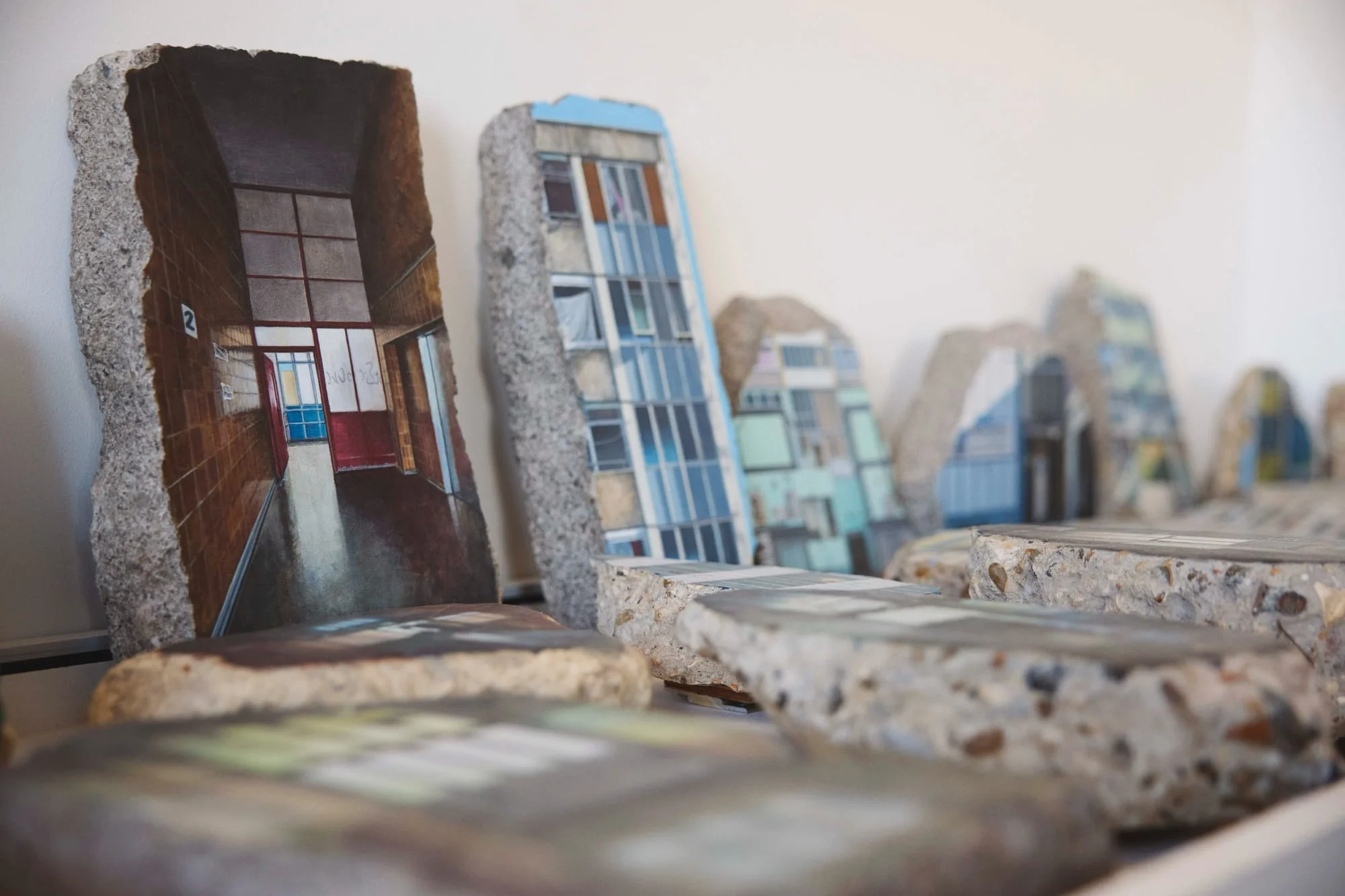
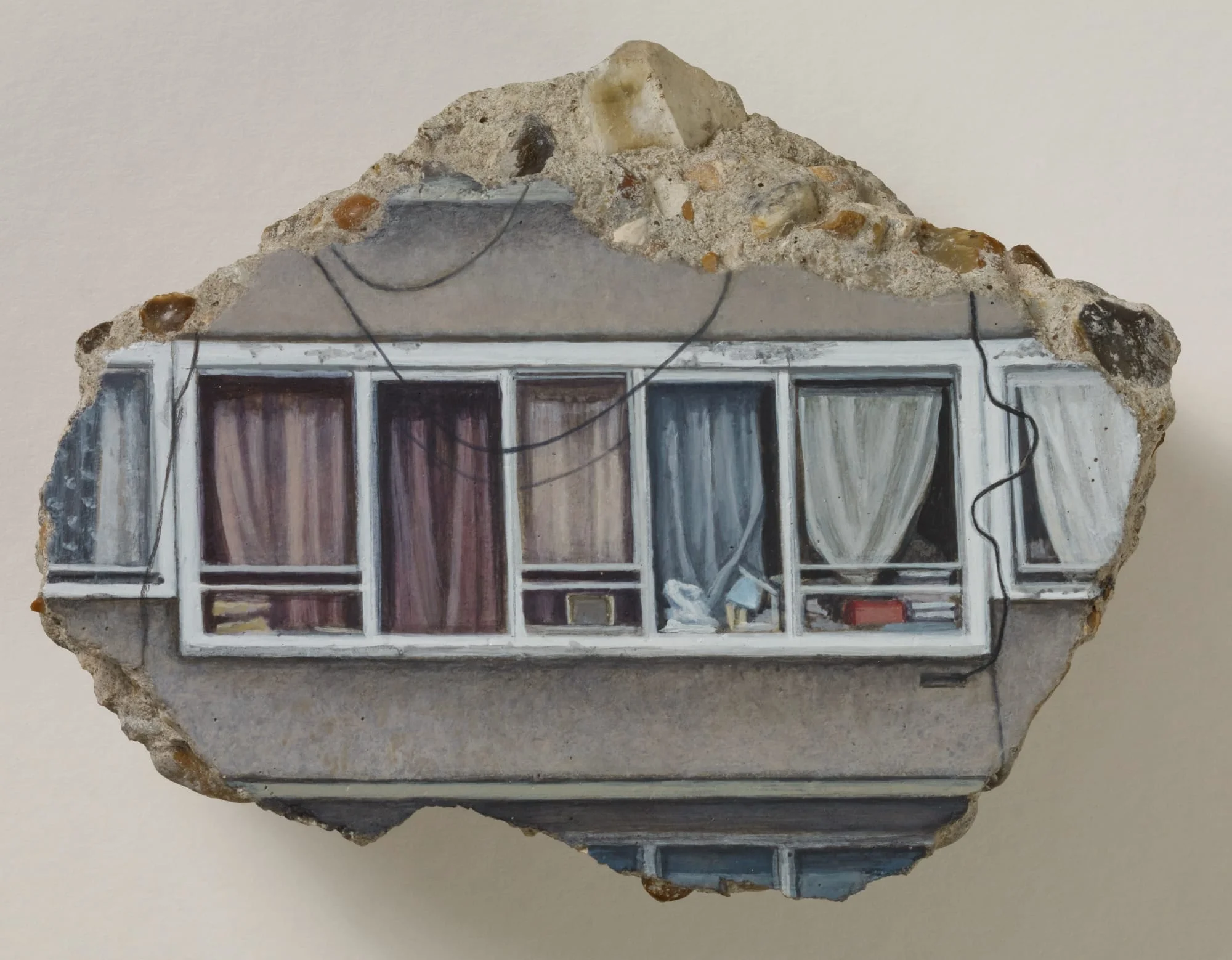
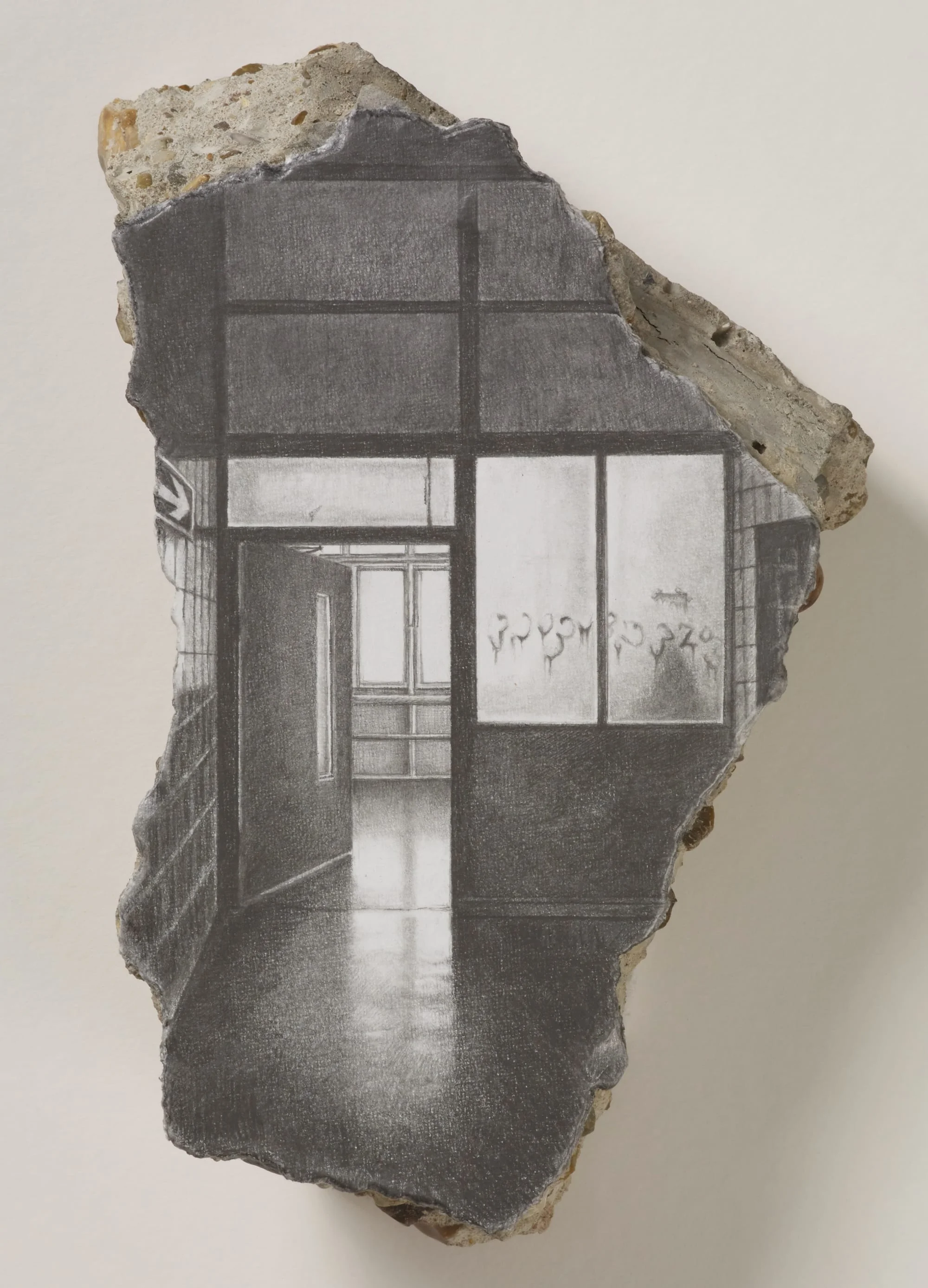
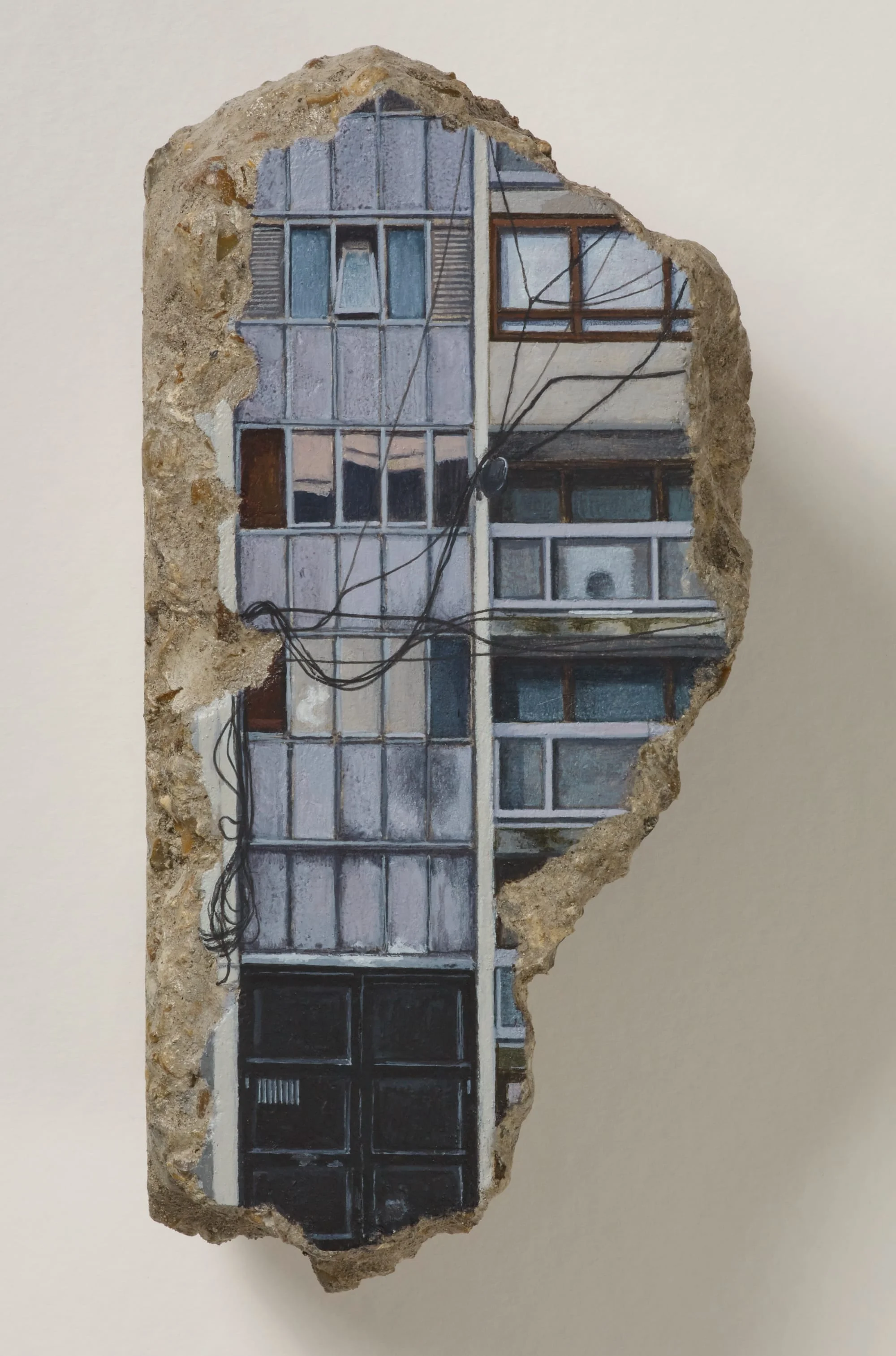
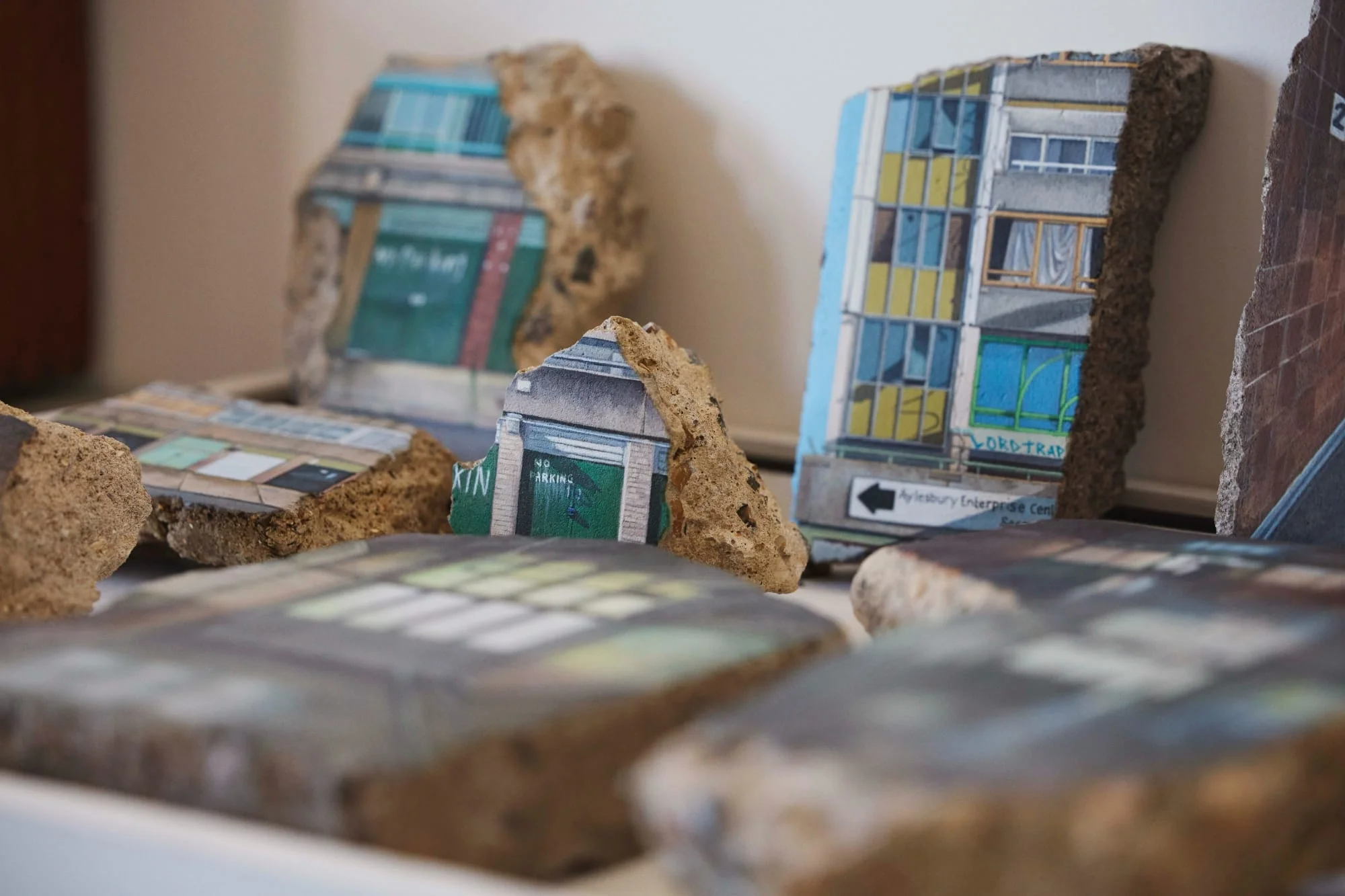
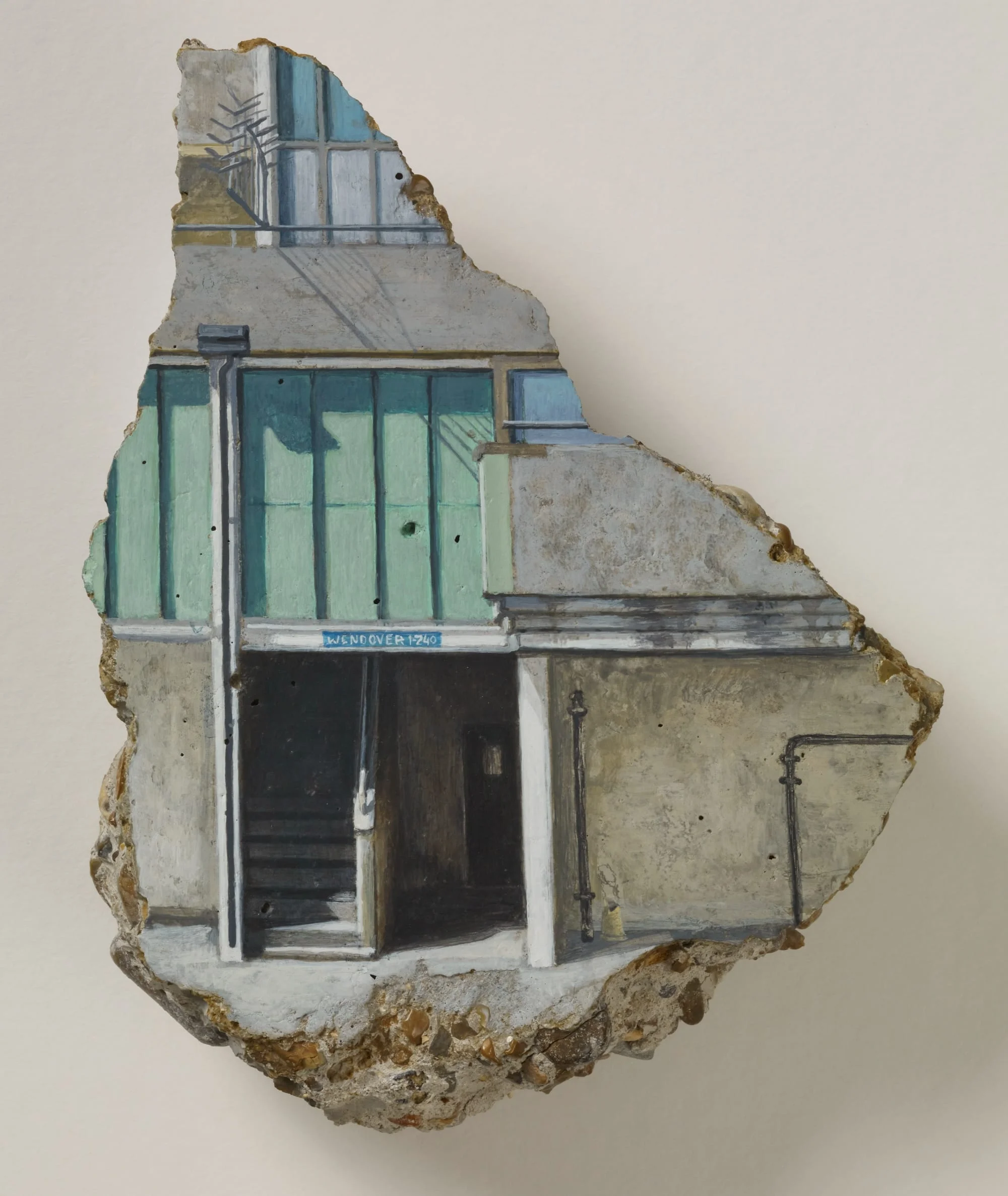
When demolition work commenced in 2020, Hill began collecting concrete fragments from the estate. This act was much more than a mere collection; it represented a deeply personal response to the displacement and erasure experienced by many residents during a time when the COVID-19 lockdown confined them to their homes. As she noted, “I wanted to respond to the reality of the people who lived there.” This statement reveals how Hill's artistic practice intertwines with the collective memory of a community grappling with loss.
Voices of Displacement
For long-time residents like Aysen Dennis, the decision to demolish rather than renovate the estate was a source of immense pain. Having lived in the Aylesbury Estate for 30 years, Dennis expressed her feelings of loss in a BBC interview, emphasizing that while her new apartment may be more modern, it lacks the emotional resonance and memories embedded in her former home. Her situation is not unique; feelings of nostalgia and dislocation are common among those who face forced moves, leaving behind not just a physical structure but a whole way of life.
Exploring Architectural Details
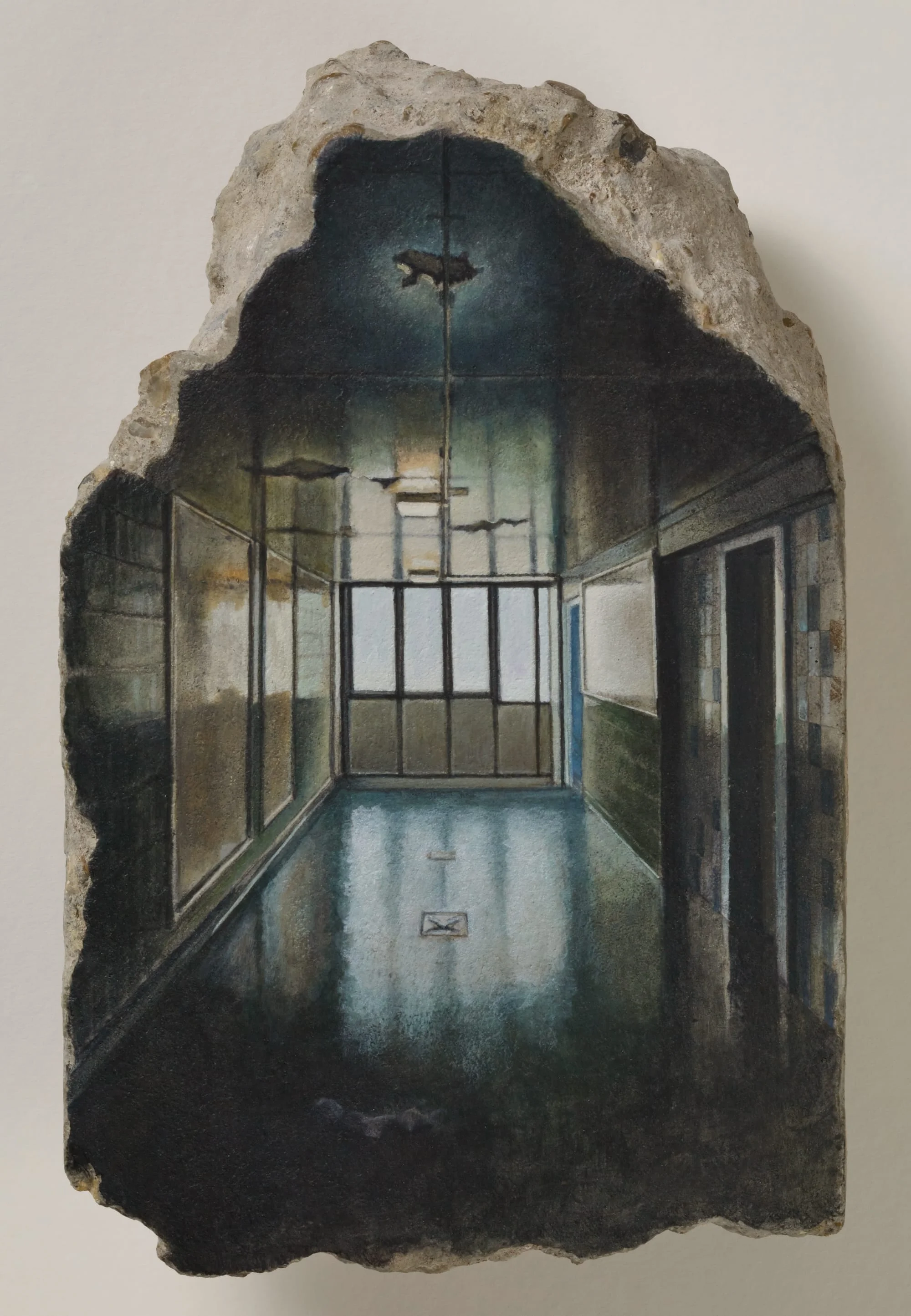
Hill's ongoing series, The Aylesbury Fragments, captures the architectural details often overlooked in broader narratives about urban decay. Each painting zooms in on specific features, celebrating the characteristics that make the Aylesbury not just another public housing estate but a unique community. Launched in response to the regeneration project that began in 2013, which remains uncompleted, her work continues to evolve as she creates over 150 paintings. This protracted project serves as a testament to her dedication, taking months or even years to connect with unpainted pieces before translating their shapes into art.
Significance and Future Outlook
Hill's upcoming exhibitions across London and the U.K. through 2027 will further showcase her commitment to the community's memory and legacy. What this means for the Aylesbury Estate is significant; her work serves as a poignant reminder that art can challenge narratives of neglect and despair, placing vibrancy at the forefront. Given the increasing occurrences of urban development prioritizing profit over preservation, Hill's artistic activism underscores the importance of community voices in shaping the future of public spaces.
As the shadows of the past loom over the Aylesbury, Hill's vibrant portrayals may help etch the stories of its residents into the fabric of London's narrative, much in the way that its architecture has stood as a physical testament to the lives lived there. Follow her artistic journey on Instagram.

Discussion
Sign in to join the discussion.