Jason Legassie explains how Off The Rails balances ticket data, local openers and free programming to build audiences across New England.
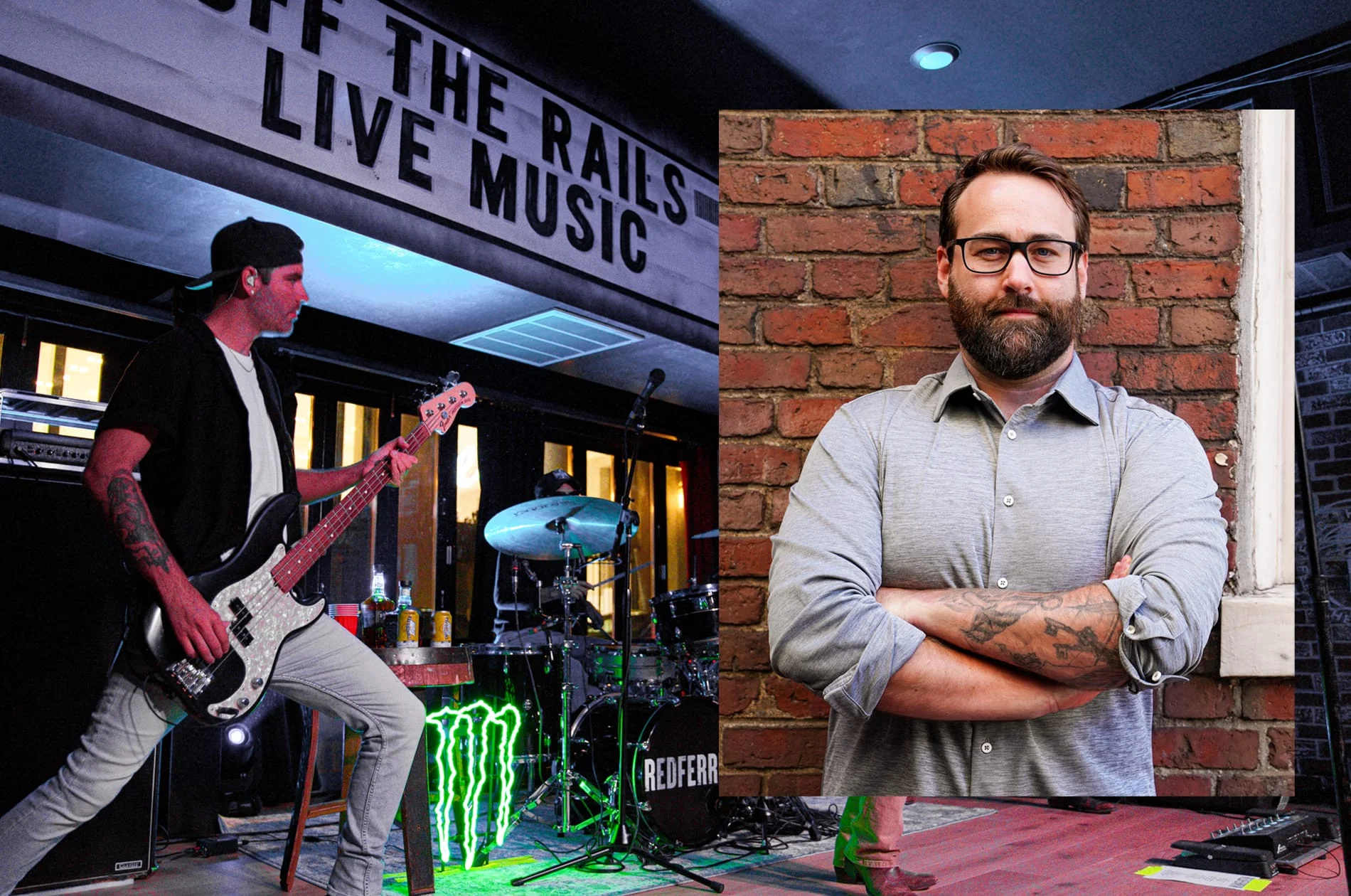
For independent promoter Jason Legassie, a concert’s value isn’t captured by streaming totals or a single night’s sales. It comes from the longer work of developing artists, building trust with local audiences and giving emerging bands a chance to grow. That approach shapes Off The Rails Presents, which books shows at its Boston and Worcester venues and promotes events in rooms across New England.
Legassie’s operation reaches across genres and venue types. Recent examples include Chayce Beckham at Wally’s in Hampton Beach, New Hampshire; Scott Bradlee’s Postmodern Jukebox at the Paramount Theatre in Rutland, Vermont, and Merrill Auditorium in Portland, Maine; and Ninth Key at Oxbow Live in Portland. The range reflects a practical booking philosophy: serve communities with the entertainment they want, rather than build the business around one genre.
A promoter’s role: take the early risk
Legassie sees artist development as one of the independent promoter’s central jobs. Someone has to book an act while it’s still drawing 150 people, he says, so it can work toward audiences of 1,500. Local support slots matter for the same reason: they can put a hometown band in front of a substantial crowd for the first time.
His own path began in southern Maine and coastal New Hampshire, where he started putting on shows around 2003 and 2004 in grange halls, VFWs and churches. As a teenager, he programmed The Station, an all-ages rock club in a Portland pool hall. One early booking was Clutch, sold by agent Tim Borror, who continues to sell Legassie shows today.
In 2010, Legassie joined Portland’s State Theatre as house manager when it reopened with My Morning Jacket. He later moved into talent buying at Port City Music Hall, spent about seven years with Waterfront Concerts, and served three years as senior talent buyer at MassConcerts before becoming a partner at Off The Rails Presents.
Ticket history beats a big streaming number
When an agent brings him an unfamiliar artist, Legassie starts with three areas: recent ticket sales, the artist’s career cycle and team, and the quality of the act’s audience engagement. He looks at sold-ticket maps, sellouts during the previous two years and average ticket prices in comparable markets. Those details help him judge whether demand can translate to a specific room and city.
Streaming data can show that listeners exist, but ticket history says whether they’ll pay to attend a show in Legassie’s market. He’d choose an artist with modest online figures and a record of selling out local venues over one with a large monthly listener count. A viral track can inflate that number without proving there’s a durable audience for a concert.
Social media offers a different signal. Legassie watches whether bands promote their tour dates, whether fans respond, and whether the artists talk back. He looks for evidence of a community that can support the act beyond a single release or post. Career timing also matters: new music, a capable team and usable marketing assets can all affect whether a show has a reasonable chance to find its audience.
“It’s not always going to come together, but I fight for it every single time. Maybe to my own detriment, but I know these bands have to start somewhere.”
Local support is part of the booking plan
Off The Rails builds local support into headline offers, including a budget agreed with the headliner. Legassie acknowledges that tightly routed tours and fixed packages can make the arrangement difficult. He still pushes for it, drawing on his own roots in the local music scene and the role an opening slot can play in a band’s development.
That preference carries into how the company uses its rooms. A free show can introduce a band to people who might not buy a ticket for an unfamiliar name. If the act connects with the audience, the venue can bring it back later in a paid headline slot. In Legassie’s view, that progression gives independent venues a way to build both artists and repeat attendance.
Off The Rails is also testing what local students will pay to see and which events work better as free programming. Legassie says the team asks patrons directly and pays attention to what the room tells them. The process is ongoing, with the goal of understanding audience habits rather than assuming every concert should follow the same ticket model.
Flexibility across rooms and markets
In competitive Boston, Legassie sees a 400-capacity independent venue’s advantage in flexibility and personal relationships. Off The Rails can develop an artist through a free night, then offer a ticketed return once that artist has a stronger following. It can also make offers in multiple markets, with dates spaced to support a sensible tour route without placing shows so close together that they compete for the same audience.
Those relationships extend beyond the venue. Legassie describes the work as a network among promoter, agent, manager and building. Independent operators can also adjust an offer or try a different event format without sending every decision through several layers of approval. The aim is to become a trusted first call when a tour is being routed through the region.
Marketing and settlement start with the basics
Off The Rails promotes shows through its email newsletter and listings at otrpresents.com, paid social, local press and radio partners. Legassie cited WMBR ticket giveaways and Do617 in Boston, along with artists’ own channels. The team also uses Reddit to ask local communities which acts they want to see.
Pricing is part of that communication. Off The Rails puts all-in prices on its marketing creative so fans can see the amount they’ll pay. Bandsintown also plays a role in promotion. Legassie’s approach is grounded in using familiar channels consistently while staying open to new tools as they emerge.
When a show misses its forecast, the review starts with the numbers and expands to the conditions around the event. The team settles each show using actual expenses in Prism, then compares the result with the original offer forecast. Legassie checks when ticket sales slowed, the price, the day of the week, competing events in the market, and feedback from bar and staff. Often several factors contributed; sometimes the weather was decisive.
The same attention to past performance informs decisions about returning artists. Legassie describes himself as dependable and calm, comparing his temperament to an elephant’s. He also says he remembers how previous shows went and uses that history when considering whether to book an act again.
For Off The Rails, the business of independent promotion is measured over time: a local band’s first meaningful support slot, a free night that becomes a ticketed return, or a touring act that builds a following across several New England markets. The next test is whether those small, deliberate steps can turn a room full of first-time visitors into an audience that comes back.


Discussion
Sign in to join the discussion.