Spirit’s Daniel Stover sees Pittsburgh’s location as a touring advantage and local connections as central to the venue’s role in the city’s music scene.
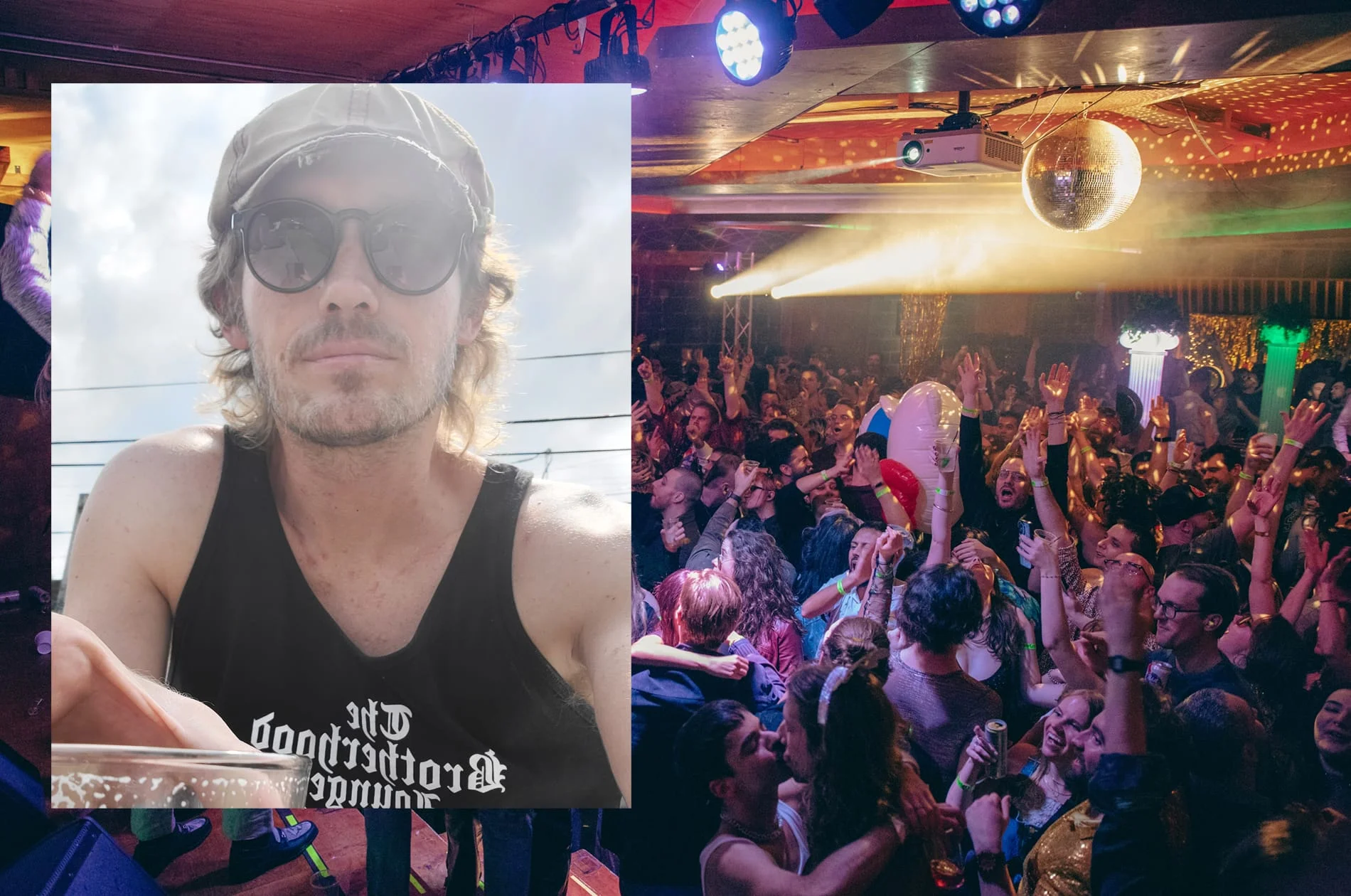
For Daniel Stover, Pittsburgh’s distance from the usual touring corridor can work in the city’s favor. Fans travel to see shows they might not find nearby, while bands that skip the city on a route between Philadelphia and Detroit may be leaving an audience untouched. That view shapes his work as director of programming and talent buyer at Spirit, an independent venue that aims to connect local artists with touring acts.
Stover’s approach to booking reflects a broader view of what a venue can do. Spirit, he says, has long balanced local and touring headliners. The mix gives Pittsburgh musicians a place to reach an audience and creates opportunities for local and visiting bands to meet. In a city with many venues for its size, that work also means competing for attention while contributing to an unusually active local scene.
A creative route into venue programming
Stover arrived at Spirit with experience spanning commercial design, arts organizing and small-scale hospitality. He spent years working as an art director for marketing firms in New York City, while also participating in the street art scene. Alongside that work, he ran an arts and culture website and organization and collaborated with galleries and do-it-yourself music spaces.
His career then took him to Virginia, where he founded a public arts nonprofit, opened a speakeasy and small venue, established a farmhouse recording space and ran a food truck. The through line, as he describes it, is a draw toward projects that let him bring creative ideas to life. That background reaches beyond booking: it gives him experience with the many ways people make spaces, events and local culture.
Local bands are part of the venue’s purpose
Spirit works to be a hub for Pittsburgh’s music community, Stover says, with particular attention to giving local artists room to put their work in front of listeners. The venue is a regular choice for album release shows, a format that gives a band a focal point for presenting new music at home. Spirit also seeks to connect local performers with touring bands, extending the value of a show beyond the night’s lineup.
That role matters in a city where the number of music spaces creates both opportunity and competition. Stover calls the competition Spirit’s biggest local challenge, but he also sees it as evidence of the scene’s strength. For a venue, a crowded market makes it harder to stand out; for musicians and audiences, it means Pittsburgh has a deep network of places where live music can happen.
Stover’s comments about large concert operators point to a different pressure. He characterizes Live Nation as an example of unchecked capitalism, arguing that the company’s position can harm independent venues and leave artists and audiences worse off. Convenience, in his view, helps sustain that dynamic: managers and agents can choose the easier route, artists can accept it, and fans continue buying tickets.
“As much as we collectively are aware of the harm it does to independent spaces, and that it lines its pockets to the detriment of artists and consumers, we look the other way for the sake of convenience.”
His argument is less about a single booking decision than the cumulative effect of habits across the live music business. Independent spaces depend on artists, representatives and ticket buyers continuing to make room for them. Stover’s emphasis on Spirit’s local role offers a practical counterweight: building a scene through recurring relationships, local bills and connections with touring acts.
Pittsburgh can earn its place on tour routes
Stover rejects the idea that Pittsburgh is too far out of the way to justify a stop. He describes the city as a gateway to the Midwest and sees its perceived isolation as a possible advantage. For some fans, a Pittsburgh show may be their only nearby chance to see a particular act, giving the city a draw that a routing map alone might not reveal.
He points to bands traveling from Philadelphia toward Detroit as an example of missed potential when they bypass Pittsburgh. His case rests on the audience that already comes from across the region and on the city’s capacity to support live shows. Whether a tour stop makes sense will depend on the band and its route, but Stover’s view is clear: Pittsburgh deserves consideration as a destination, not simply as a gap between larger markets.
Spirit’s booking mix, he says, has been fairly balanced between local and touring headliners for as long as he understands. He sees that balance as a way to support Pittsburgh artists while also giving the community exposure to performers from elsewhere. In practice, the two sides can reinforce one another: local musicians share a bill with touring acts, and audiences have more reason to treat a venue as a continuing part of their music life.
Asked to imagine a Spirit bill in 1985, Stover named Tom Waits, The Cure, Talking Heads, The Pogues, Violent Femmes and Dead Kennedys. The choices fit the venue’s alternative and punk leanings, and he says he’d still book any of those acts that remain active. It’s a concise sketch of the sensibility he brings to programming: music with a strong identity, spanning different corners of alternative culture.
The value of a room full of people
Stover’s view of live performance starts with experience. Recorded music is now easy to access, he says, which can make listening feel like background activity. A concert asks for something different: attention shared among performers and an audience gathered in the same room.
He also sees live music as older than the recording business, describing it as one of humanity’s early forms of storytelling and a way communities built culture together. That history helps explain why a venue’s purpose reaches beyond delivering sound. A show can create a temporary gathering around music, an experience that can’t be replicated simply by pressing play on a streaming service.
“Long before we had recording capabilities and anything resembling a music industry, we had live music. It was one of our first methods of storytelling.”
That doesn’t mean every musician needs to tour. Stover is careful to leave room for different ambitions: some artists keep their writing private, while others are happy to share songs online. Making music for its own sake is a legitimate end, he says. For artists seeking a lasting public presence, though, he believes touring is the route to take.
Promotion still needs to meet people where they are
For marketing shows, Spirit makes frequent use of Meta platforms, including Facebook and Instagram, and puts emphasis on original video promotions. Stover hasn’t abandoned older methods: press releases and flyers still have a place. He continues looking for better ways to reach potential audiences, a challenge made harder by the volume of content people encounter every day.
That combination suggests a practical approach to promotion. Digital platforms offer ways to circulate video and announcements, while local flyers and press outreach can make a show visible in the community around the venue. No single tactic guarantees attention, Stover’s comments imply; a venue has to keep testing how it communicates with people who may be interested in a show.
His own workday can get busy enough that lunch slips by. When he does stop, he often opts for a quick local meal, including the Big Mick burger from Moonlit Burger. It’s a small detail, but it fits the same local orientation that runs through his description of Spirit: a venue’s work is bound up with the people and businesses around it.
For Spirit, the clearest measure of its place in Pittsburgh is the work it keeps doing: giving local artists a room to share new music, bringing touring acts into the city and building connections between the two. As touring routes and audience habits shift, Stover’s bet is that Pittsburgh’s live music community can keep giving bands a reason to stop—and fans a reason to show up.


Discussion
Sign in to join the discussion.