A new book gathers five decades of James Wines’ work, from fractured BEST showrooms to public art that questions consumer culture.
James Wines built a career around a deceptively simple question: “What else could it mean?” A new book, What Else Could It Mean?, traces how that prompt shaped five decades of work by SITE (Sculpture in the Environment), the New York studio he founded in 1970. Its projects unsettle the boundary between architecture and art, often by turning familiar commercial forms into invitations to look twice. The question also points to a working method: treat a building’s expected meaning as a starting point, then test what happens when its parts, setting, or audience are reconsidered.
Making the ordinary feel strange
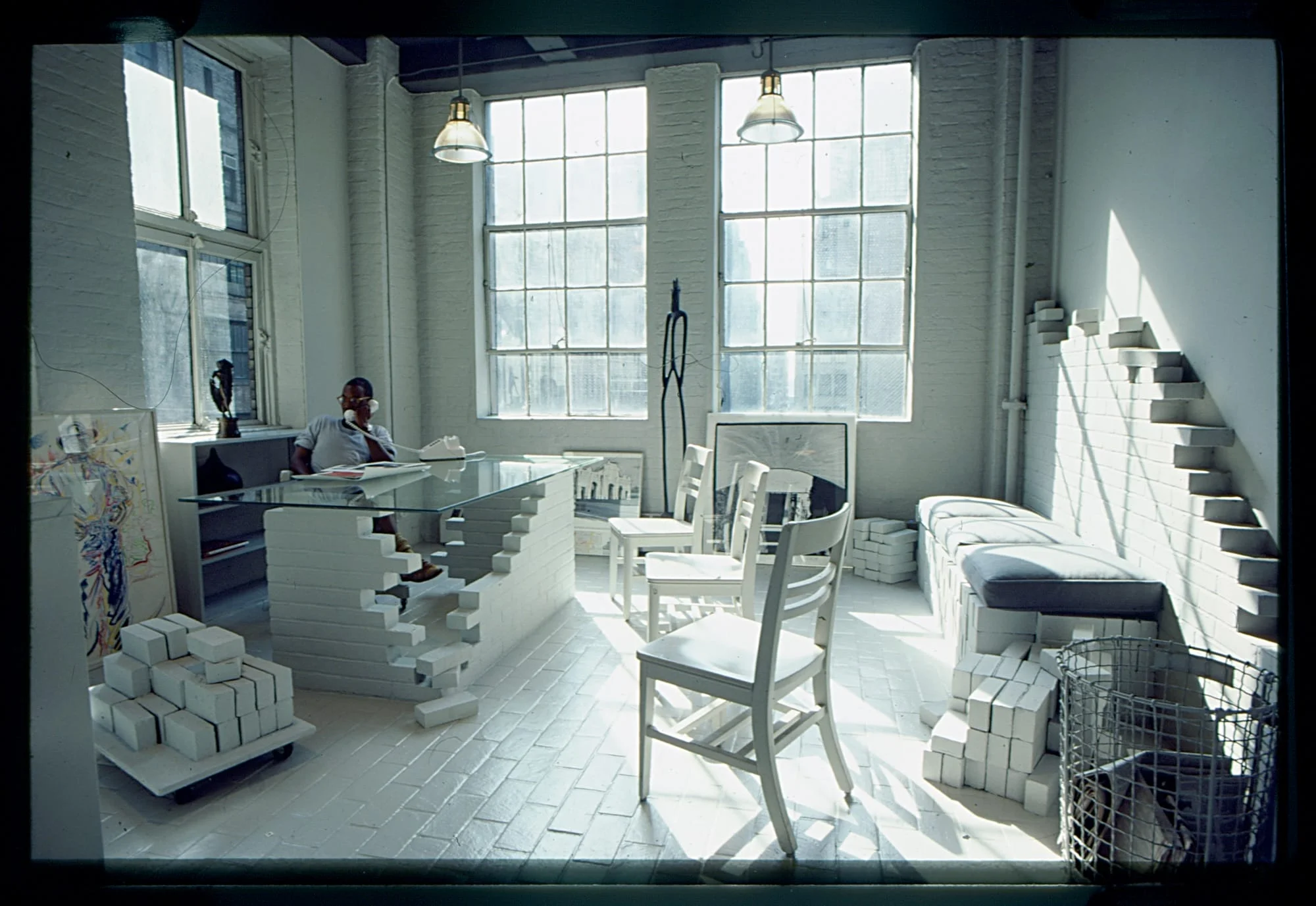
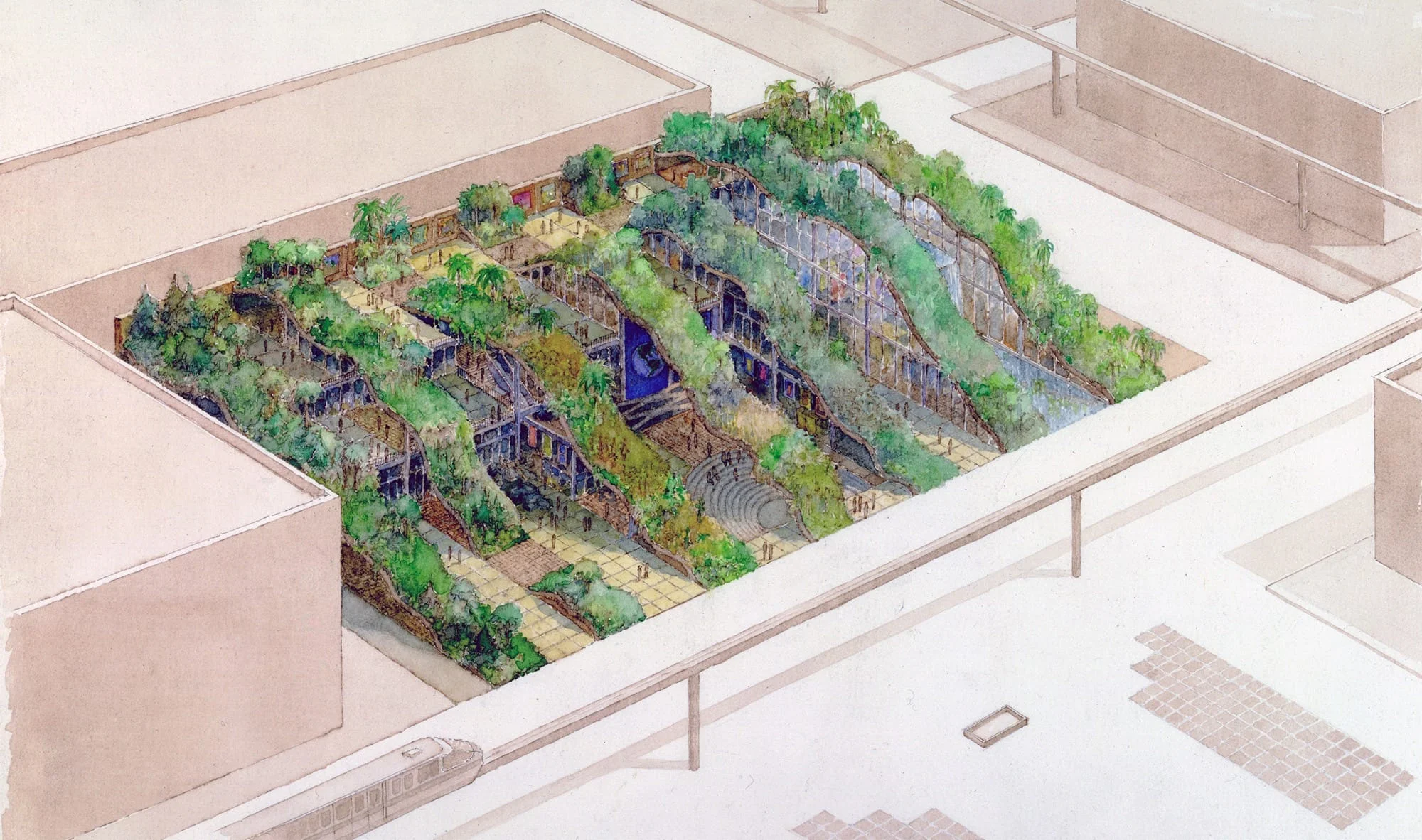
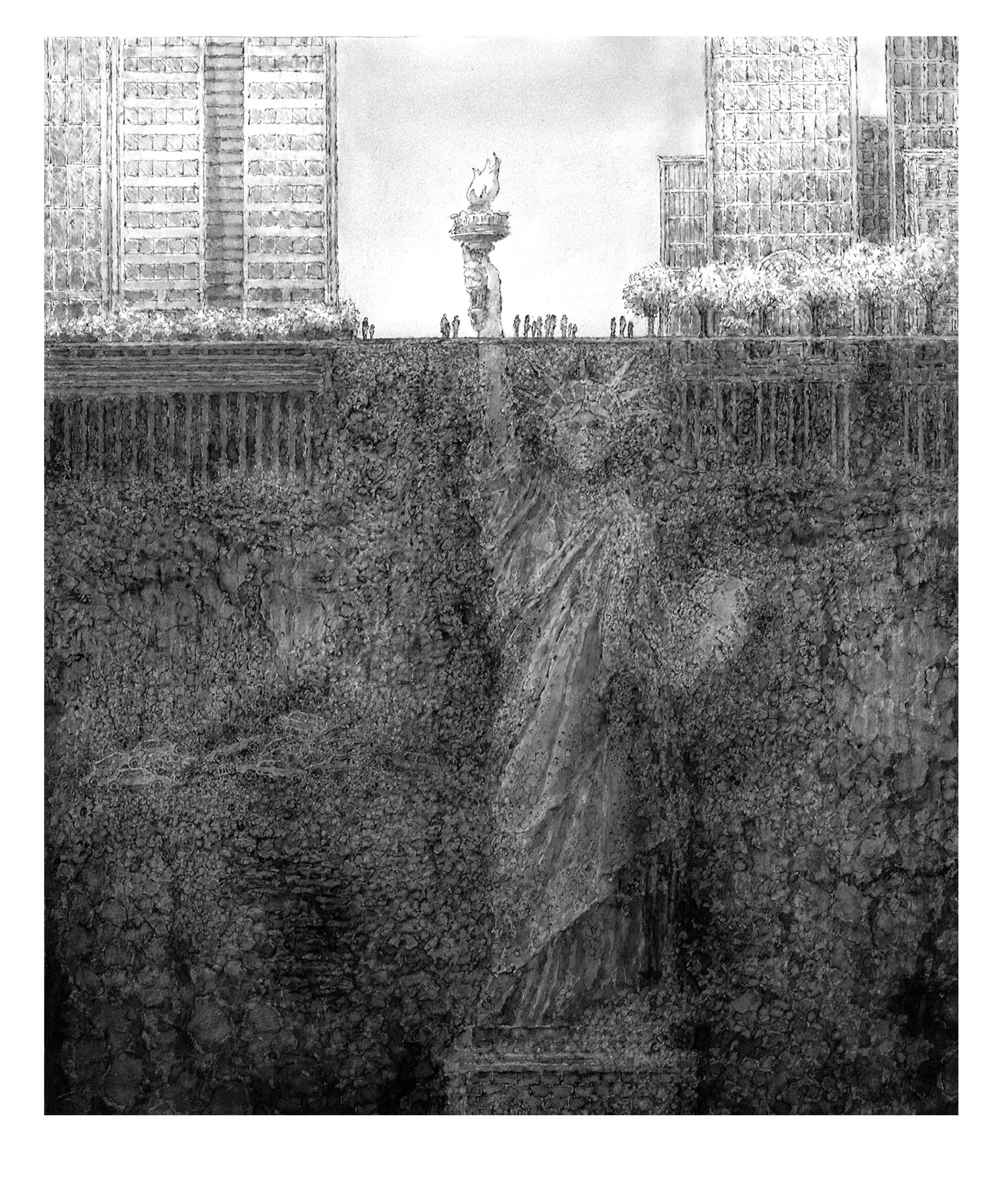
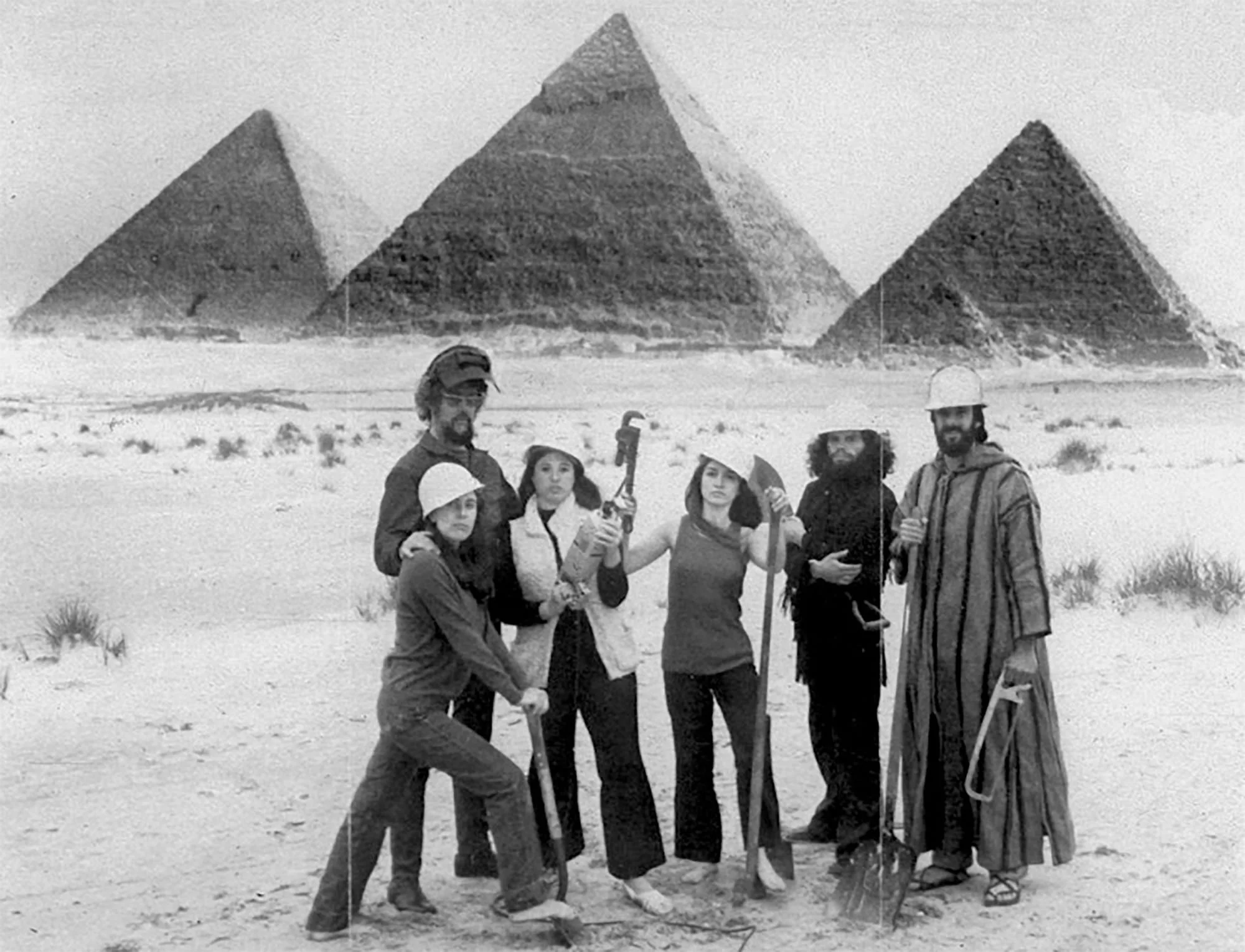
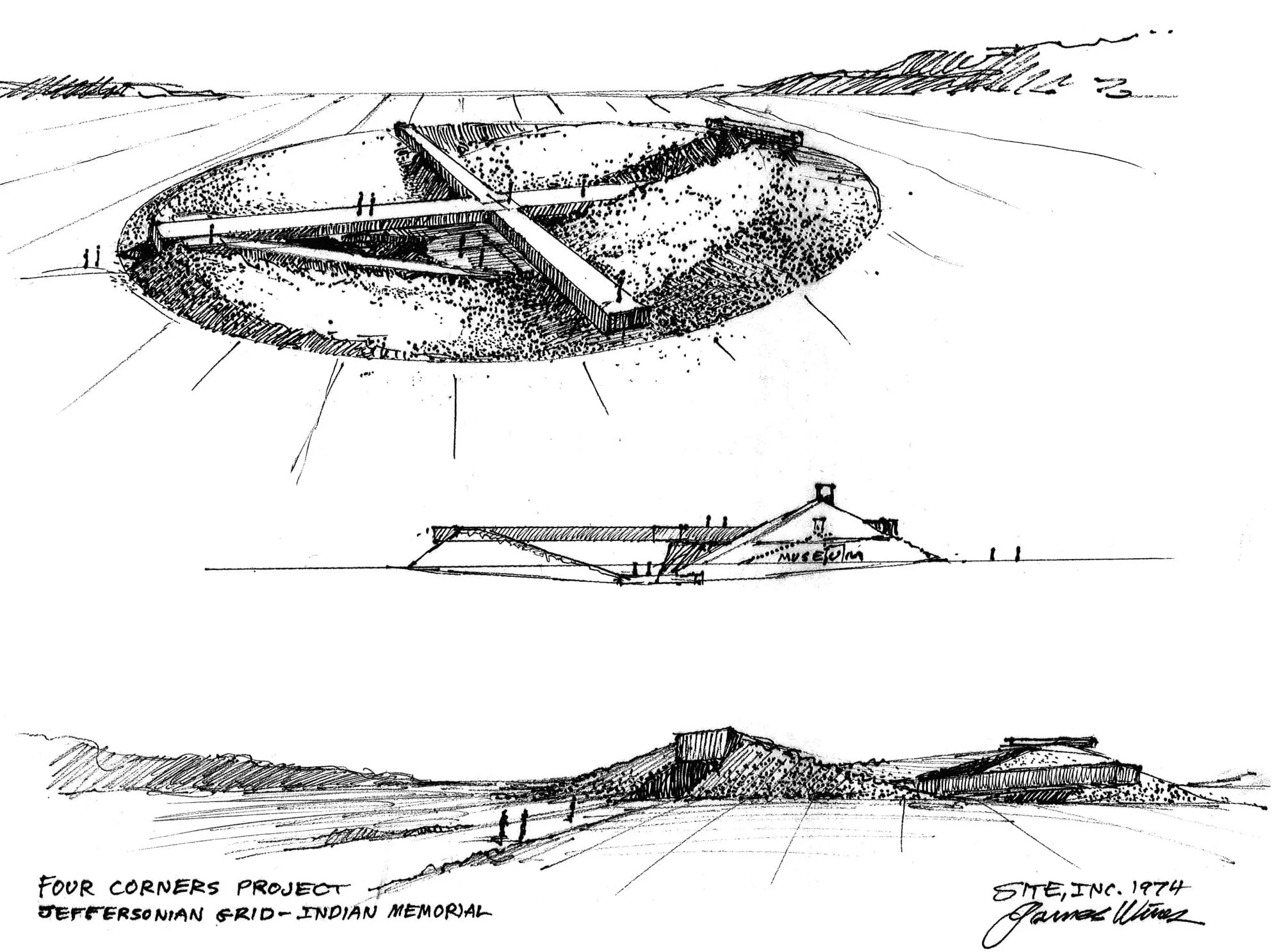
Published by Skira, the book brings together Wines’ drawings, renderings, and writing with archival photographs of completed projects. That mix lets readers compare the idea with its built form, a useful distinction in a practice where the proposal itself can carry much of the argument. The range includes buildings, public art, and urban infrastructure, with the studio’s work for BEST Products Company among its best-known examples.
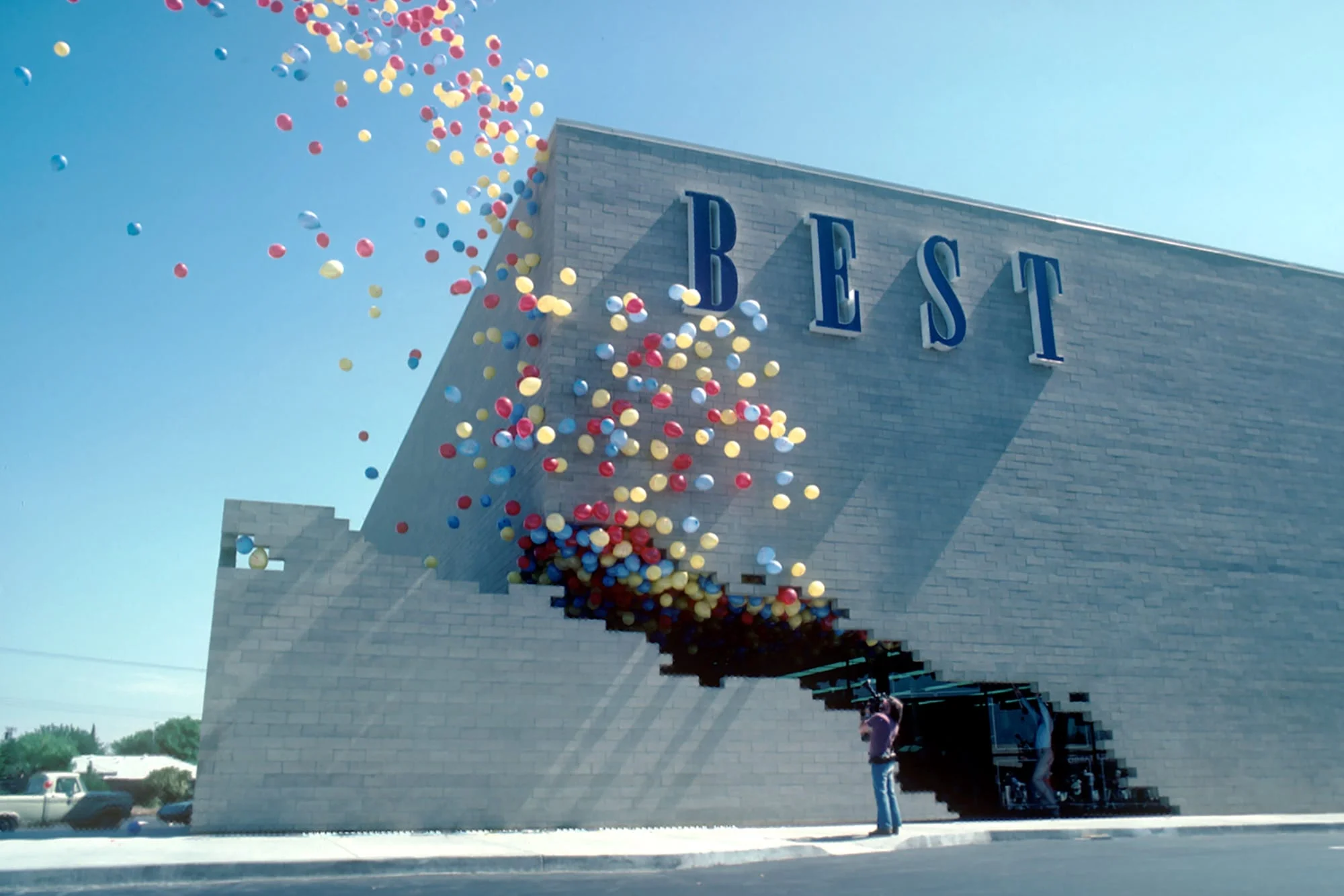
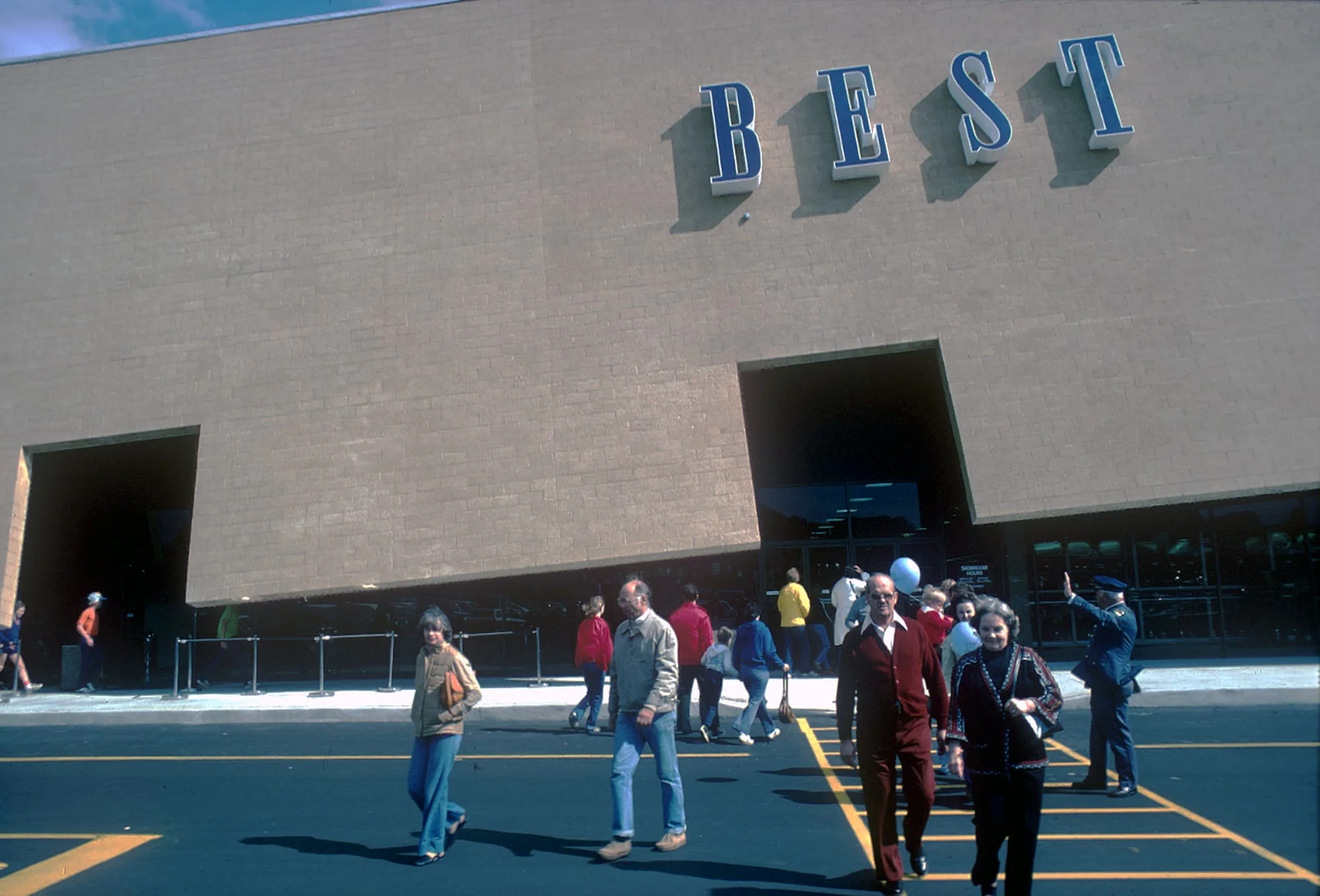
BEST’s owners, Sydney and Frances Lewis, commissioned Wines to design showrooms that refused the standard retail formula. One appeared to tilt and sink into the ground; another seemed to split apart, its facade separating from the structure beneath it. Those gestures made the storefront more than a container for merchandise. The buildings made the commercial strip itself part of the experience, drawing attention to the architecture that conventional retail design often asks people to ignore.
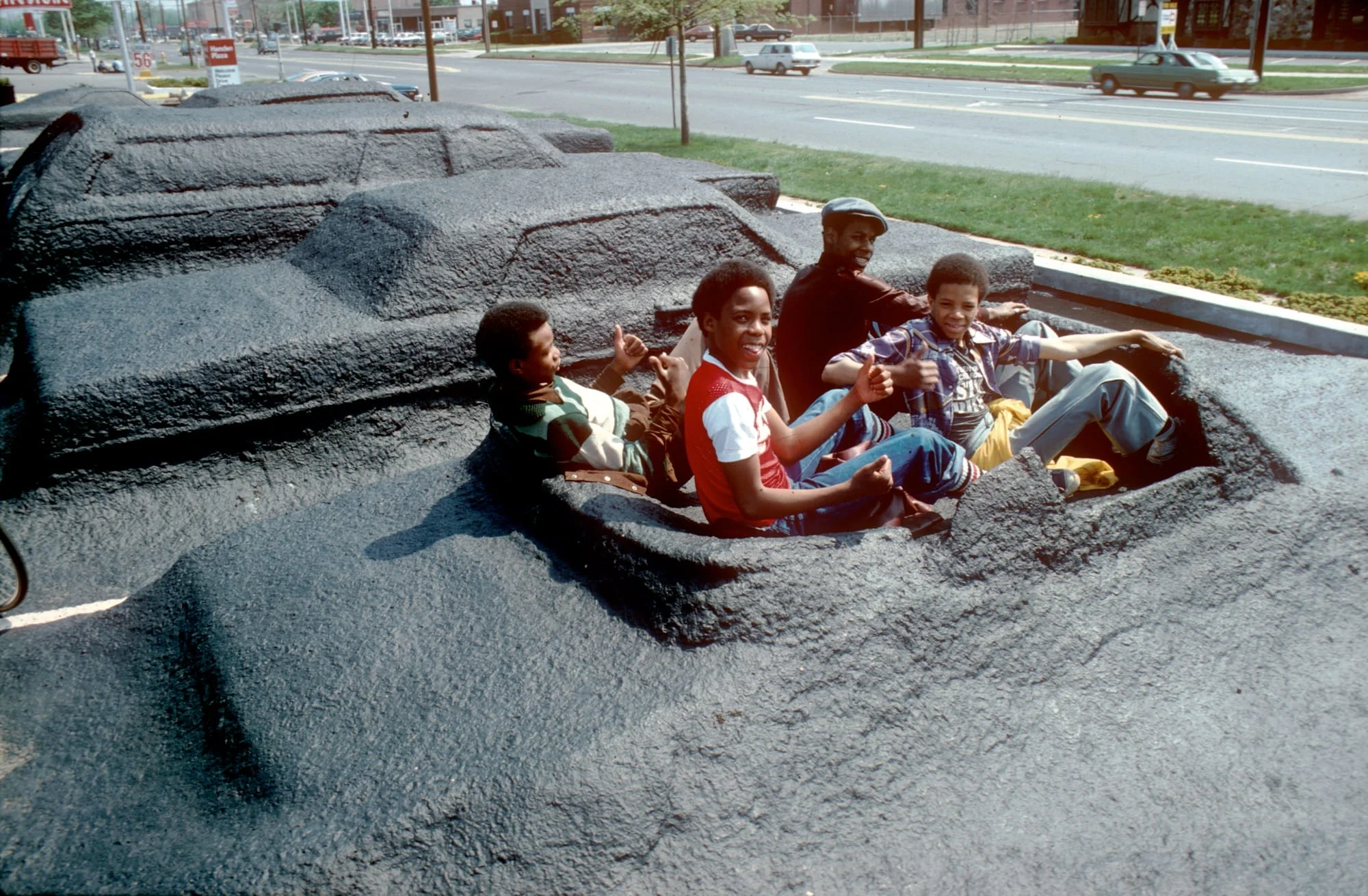
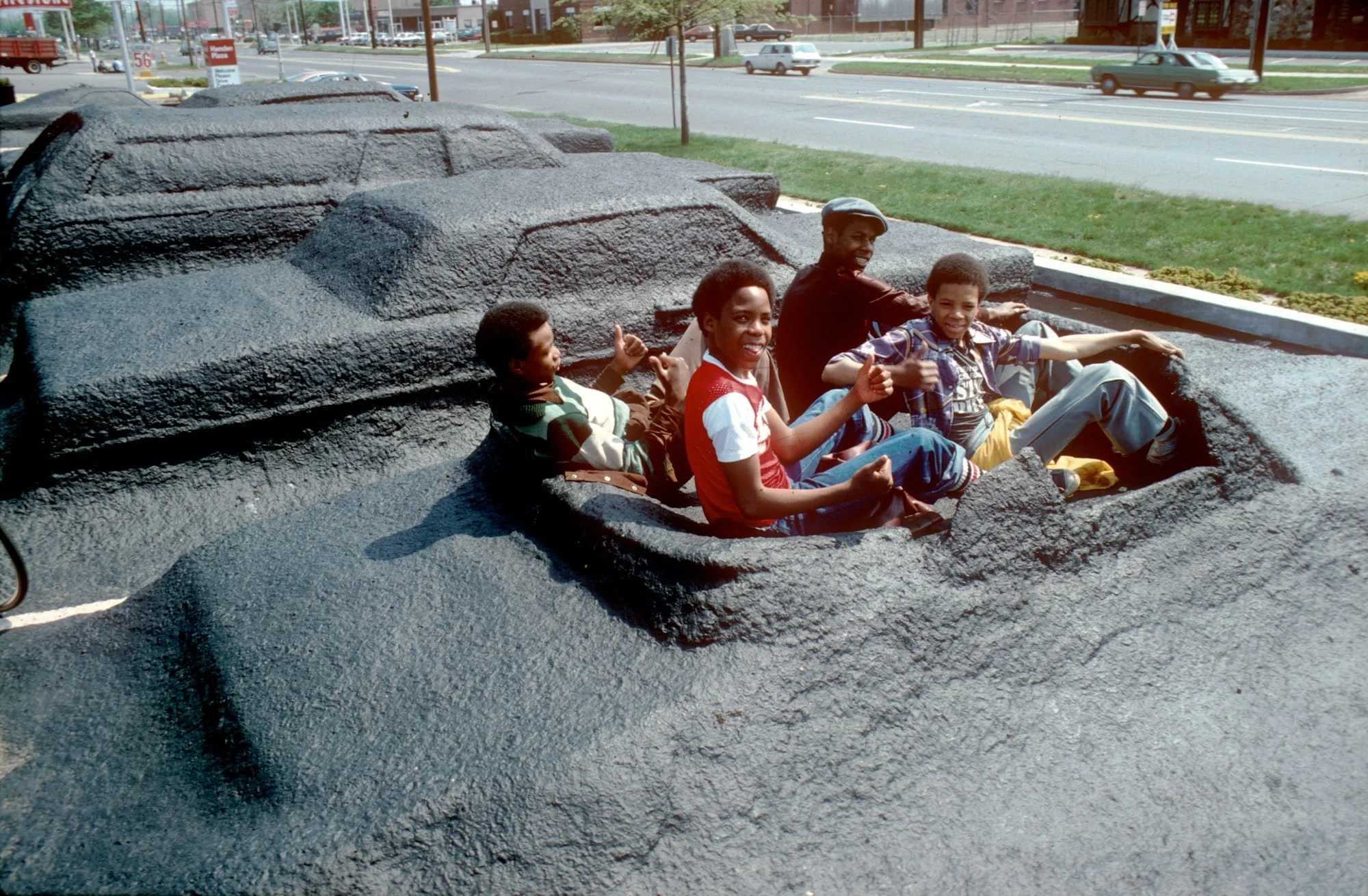
That playfulness carried a pointed view of consumption. In “Ghost Parking Lot,” installed in Hamden, Connecticut, twenty cars were buried beneath asphalt outside a shopping mall. Trapped in place, the vehicles read as a sly monument to car culture, retail expansion, and the sprawl that connects them. The work’s force comes from its plainness: cars are both everyday objects and the material of a public artwork, so the site’s familiar infrastructure becomes difficult to take for granted.
Wines traced an early source of his approach to a months-long stay in Rome after college. The city’s religious design and civic architecture left a strong impression, offering examples of buildings that carry meaning beyond their practical use. Later, while teaching at New York University, he asked students to work in the opposite direction: to respond to a fractured, diverse contemporary culture. In the book’s preface, he describes a practice built on “architecture as a critique of itself,” using reversals, humor, and context to generate ideas. The method puts pressure on the assumption that a building should simply perform its assigned role.
Art for people passing by
Designer and curator Phillip Denny argues in the introduction that SITE’s work welcomes viewers without requiring specialist knowledge. The projects “engage their context, invite participation, and reward curiosity regardless of one’s background,” he writes. Often ironic but not cynical, they bring art into places where people might not expect to find it, including what Denny calls the “junk-culture world of the commercial strip and suburban sprawl.” That accessibility is part of the work’s form: a passerby can respond to an unexpected facade or object before knowing the history behind it.
This approach also leaves room for ambiguity. A viewer may read a project as a joke, a critique, or both, and the work doesn’t depend on everyone arriving at the same interpretation. That’s a meaningful choice in public art, where audiences encounter a piece on their own terms and often in the middle of ordinary routines.
Here’s the thing: bringing art into everyday settings doesn’t automatically make it welcoming. SITE’s projects still depend on the viewer noticing the disruption and deciding what to make of it. But the familiar commercial surroundings give that invitation a concrete foothold. If you’re working in this space, the book’s archive offers a case study in how context can do part of an artwork’s work.
What the archive makes visible
The drawings and photographs matter because they show how an idea travels from proposal to public encounter. Renderings can preserve the ambition of a project, while photographs record how people and places meet its finished form. Taken together, the materials present Wines’ practice as a continuing exchange between concept, construction, and audience, rather than as a sequence of isolated visual jokes.
That commitment to public access gives the archive a present-day resonance. SITE’s work asks who gets to encounter art and architecture, and what those fields can contribute to shared civic life. This is more significant than it looks: the projects treat ordinary commercial space as a place where public meaning can be made, even when that space was designed mainly for shopping or movement. And yet, the work’s critical humor doesn’t resolve the tensions it identifies. It makes them visible. In the book’s pages, Wines repeatedly turns that question into something people can see, walk past, and interpret for themselves.
A provocation, then, rather than a tidy answer.
Find the book on Bookshop and explore more of SITE’s work on the studio’s website.

Readers can support independent arts publishing through Colossal Membership. This story first appeared on Colossal.



Discussion
Sign in to join the discussion.